
by Petra Williams
June 19, 2026 – The Antigua and Barbuda Athletics Association (ABAA) did more than open a national championship on Thursday evening. It staged a reminder of what athletics has meant to this country, what it can still become, and why the wider sporting community has a responsibility to keep the next generation inspired.
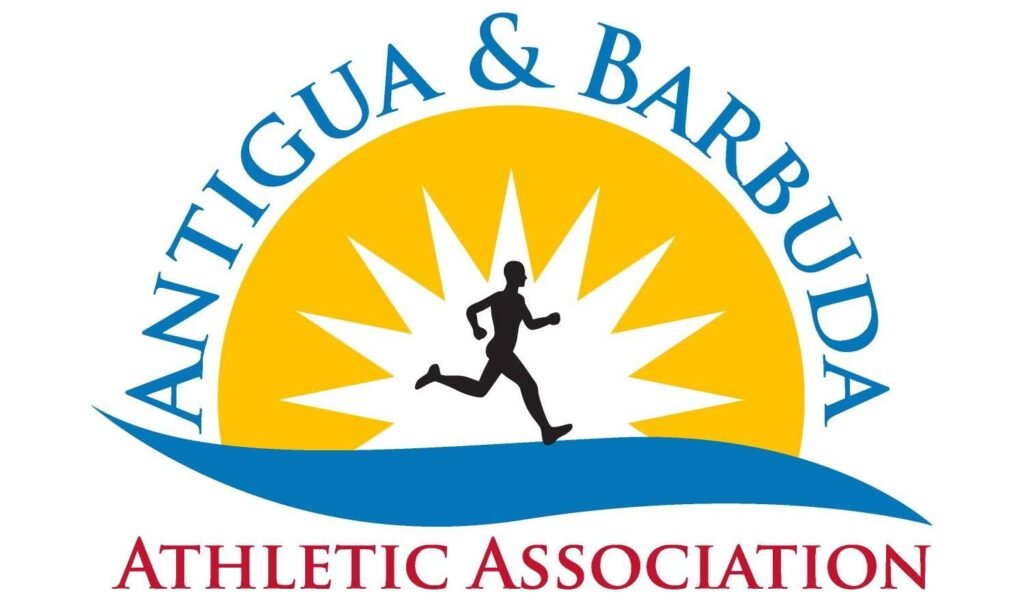
Held under the theme “Revival: Inspiring the Next Generation,” the opening ceremony of the 2026 National Track and Field Championships brought athletes, coaches, officials, parents, sponsors, and sporting leaders into one space for an evening that was part celebration, part challenge, and part invitation.
From the near-prompt start and colourful march past of athletes, to the oaths administered to athletes, coaches and officials, the ceremonial passing of the torch, and the declaration of the championships open, the evening carried the feeling that athletics is actively working to reclaim its place in Antigua and Barbuda’s sporting imagination.
More Than a Ceremony
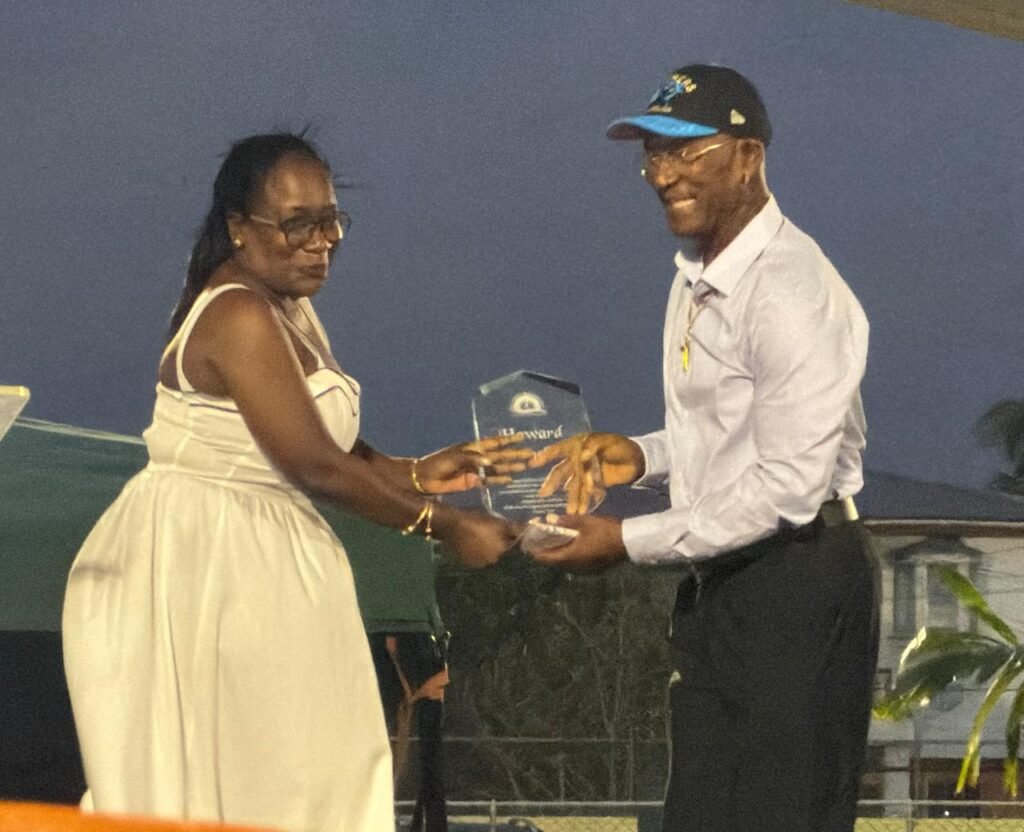
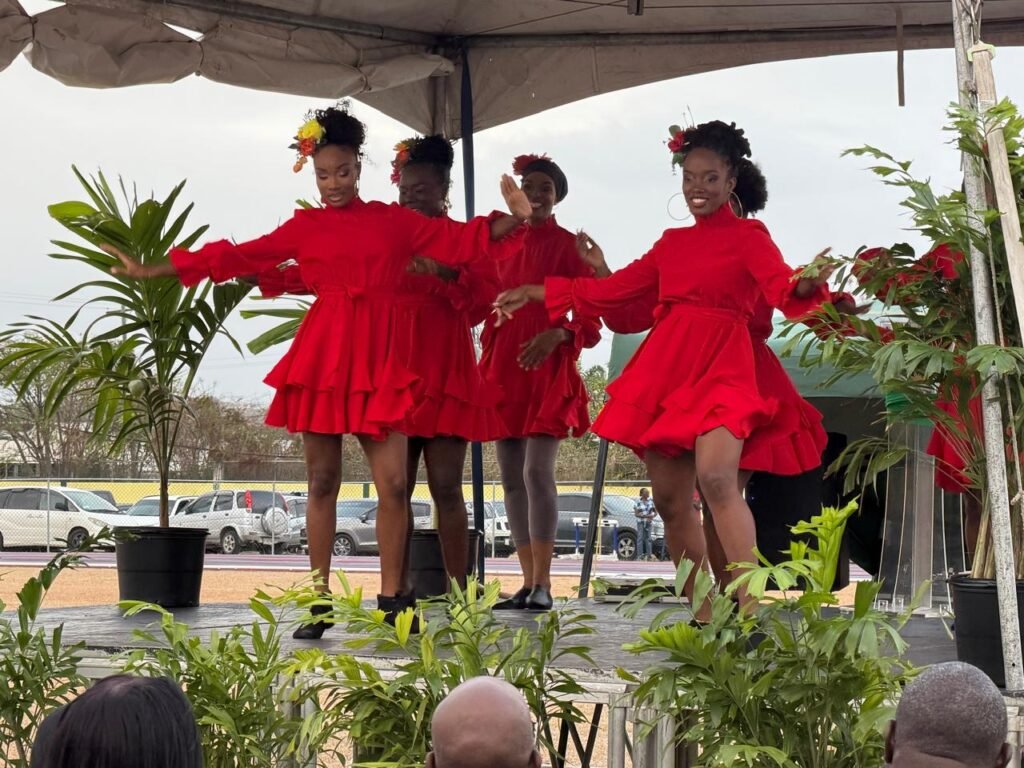
The programme blended formality with symbolism. There was the national anthem, prayers, oaths by athletes, officials and coaches, remarks from sporting leaders, cultural performances, recognition of former ABAA President Everton Cornelius, and the symbolic passing of the torch. Together, those elements reinforced one central message: athletics is built on continuity, and one generation must be willing to hand the sport forward with care.
Seventeen clubs are represented at this year’s championships, including clubs from Antigua and Barbuda alongside visitors from Montserrat and Grenada: Royalty Track and Field Club (Montserrat), Fusion Athletics (Grenada), Antigua Barbuda Defence Force, Edu Sports, Hurricane Power, MVP Track Club, Next Level Athletics, Panthers International, Paramount Performance, Peak Performers, Phoenix Track Club, PSE, Roots, Supernova, Tigers, Wadadli Athletics and Wings.
That breadth of participation gives the championships added energy. It also shows why club development remains one of the most important building blocks for sustaining athletics beyond any single weekend.
A Vote of Confidence
One of the most significant moments of the evening came from Antigua and Barbuda Olympic Committee President E.P. Chet Greene.
In a tangible demonstration of support, Greene announced a $10,000 sponsorship from the Olympic Committee while commending the ABAA for preserving the tradition of national championships. “As long as you deliver, we will stand by you,” he declared, describing the championships as “quintessential” to the nation’s sporting calendar.
His remarks served as a reminder that national championships are not merely competitions. They are talent identification platforms, proving grounds for emerging athletes, and an essential step along the pathway to regional, Commonwealth, Pan American, and Olympic competition.
Greene also highlighted the Olympic Committee’s ongoing investment in elite athlete development, noting that four athletes from the association currently benefit from Olympic scholarships valued at US$1,500 per month.
In many ways, his message reflected the evening’s theme. Revival requires investment, commitment, and belief.
A Challenge to the Sporting Community
Yet the Olympic Committee President was not interested in celebration alone. His address challenged almost every stakeholder in athletics to think bigger, plan better, and demand more.
He called for renewed attention to coaching development, urged administrators to embrace innovation, and highlighted the urgent need to resolve issues at the YASCO track facility, including completing a dedicated training and warm-up surface to reduce wear on the competition track.
Perhaps most notably, he challenged the broader sporting ecosystem to embrace a culture of excellence. “We are among the last Caribbean countries without an Olympic medal,” Greene reminded the audience. It was a sobering observation delivered in a ceremony dedicated to revival.
Revival, after all, is not simply about remembering what once was. It is about confronting what still needs to be achieved.
Athletics is Alive
If Greene’s address provided the challenge, ABAA President Shawnor Charles Joseph provided the vision.
In remarks that blended gratitude, reflection, and encouragement, she explained that the opening ceremony was intentionally designed to signal a renewed era for the sport. “This opening ceremony was intentionally created as a moment to revive the spirit of track and field and to send a clear message that athletics in Antigua and Barbuda is alive and thriving and rising once again.”
Her words captured the atmosphere of the evening.
Charles Joseph acknowledged the athletes who built the sport through years of sacrifice and achievement, recognising that today’s opportunities exist because previous generations laid the foundation.
At the same time, her message to current competitors was clear: success is not measured solely by defeating an opponent. “The greatest challenge is often against yourself,” she told the athletes. This is a philosophy at the heart of track and field.
She reminded the athletes that, unlike many sports, athletics provides an objective measure of growth. The clock does not lie. The tape measure does not lie. Every race, jump, and throw presents an opportunity to become better than yesterday.
The Real Action Begins
As inspiring as the speeches were, the true test of the revival theme now shifts from the podium to the track. On Saturday, 20th, and Sunday, 21st, athletes will have the opportunity to transform words into performances.
National championships have always occupied a special place in athletics because they answer a simple, excitingquestion: who is the best right now?
For established stars, the championships provide an opportunity to reinforce their dominance. For developing athletes, they offer a chance to announce themselves. For coaches, they serve as a report card on months of preparation. For national selectors, the championships provide a glimpse of the country’s competitive future.
For spectators, they offer one of the purest expressions of sport: preparation, talent, determination, and courage collidingin seconds, metres, or centimetres. That is the kind of drama worth seeing in person.
The Torch Has Been Passed
The most fitting image from the opening ceremony may well have been the passing of the torch. It is one of sport’s most powerful symbols, representing the transfer of responsibility, knowledge, legacy, and aspiration from one generation to the next.
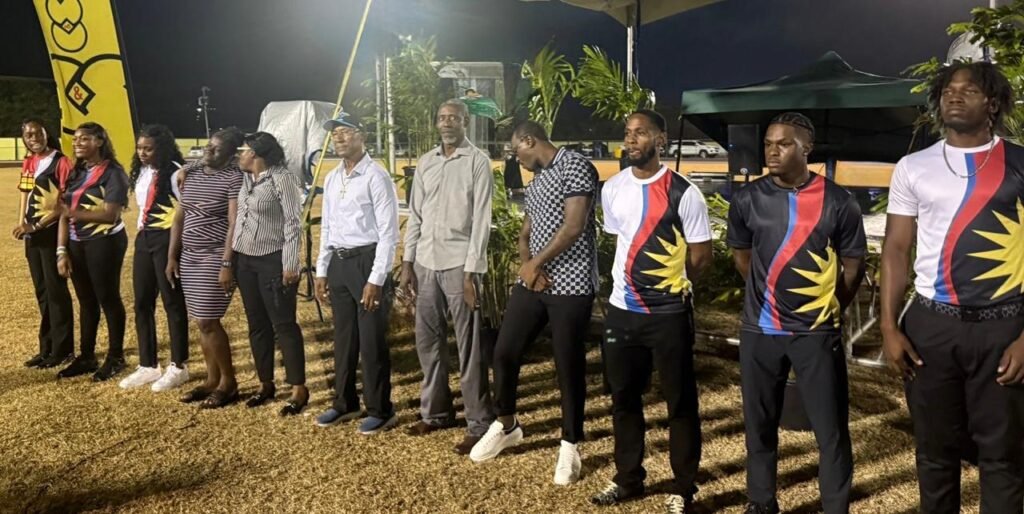
The torch moved from the nation’s first CARIFTA gold medallist, longstanding coach and administrator, and the evening’s primary honouree, Everton Cornelius, through outstanding athletes across the decades, culminating in the current young phenom and hopeful face of the future, Tyra Fenton.
The pioneers entrusted the sport to today’s administrators, coaches, and athletes. Today’s generation now has a responsibility to strengthen that legacy before passing it forward once again.
As competition begins this weekend, the championships will determine champions, produce personal bests, and perhaps even uncover future national stars.
But if the opening ceremony’s theme is any indication, the larger objective extends beyond medals and records. It is about revival: ensuring that when the baton is passed again, the next generation receives a sport that is stronger, healthier, and more ambitious than the one inherited.
And that may prove to be the most important victory of all.
Spectator Sports encourages as many of us as possible to attend, support our athletes, and add our voices to the atmosphere this weekend. If the opening ceremony was the spark, the competition now deserves a crowd. We wish the ABAA, the athletes, coaches, officials, volunteers, and supporters a safe, successful, and memorable championship.