
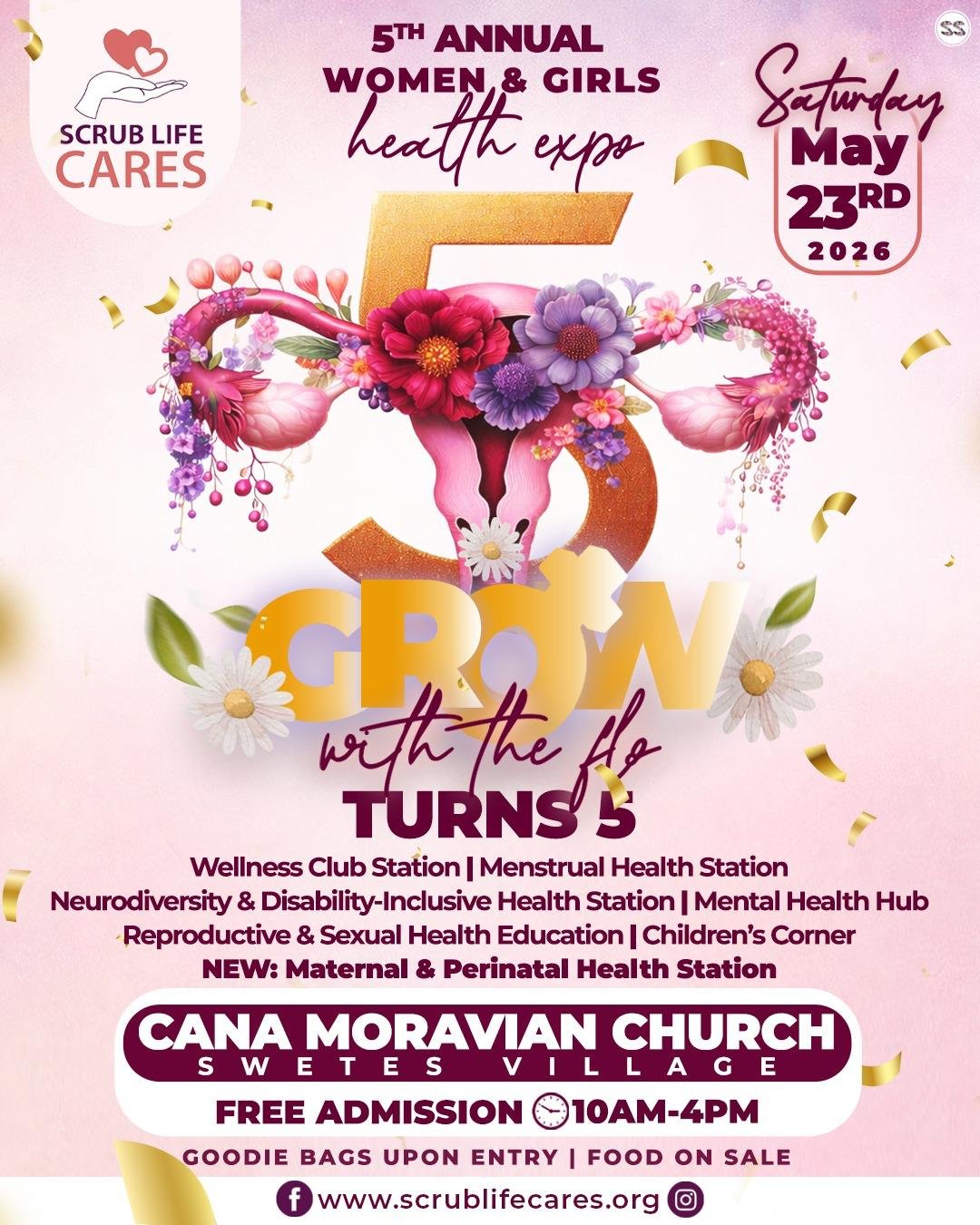
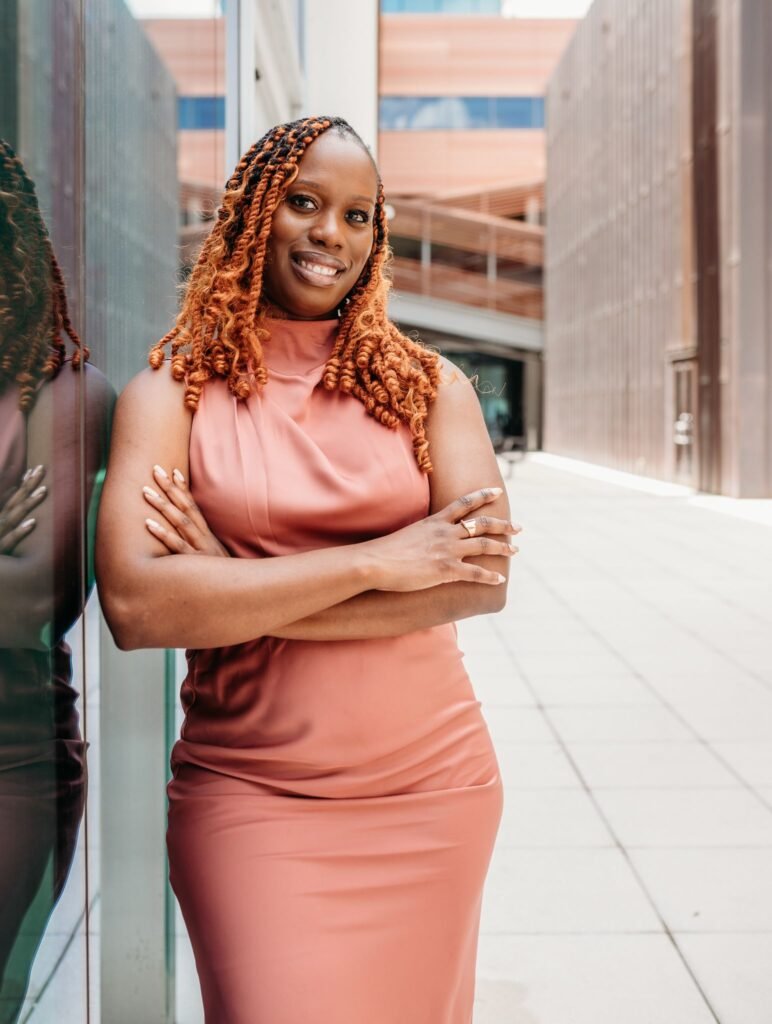
May 21, 2026 – What Tanya Ambrose is building through Scrub Life Cares is not just a health event. It is a space where women and girls can ask questions they are often too embarrassed to ask, where families can find support without judgement, and where health education is treated not as a luxury but as a necessity. As the organisation prepares for its 5th Annual Women and Girls Health Expo, Ambrose says the aim has always been simple: to create a place where people feel safe enough to learn, open enough to talk, and supported enough to seek help.
That vision sits at the heart of Scrub Life Cares; the public health non-profit Ambrose leads. Its work spans menstrual equity, reproductive and sexual health education, maternal and child health, and broader community wellness, but the thread connecting it all is access. For Ambrose, access means more than products or pamphlets. It means making sure women, girls, young people, and families have information they can understand, resources they can actually use, and environments where they feel comfortable enough to return.
From small outreach to growing movement
The growth of the expo tells its own story. During her interview on Morning with Sly J on WTP Media, Tanya indicated that in the beginning, she hoped perhaps 10 or 15 people might show up. Instead, about 78 attended in the first year. By 2025, attendance had climbed to nearly 400. For her, that steady rise is proof that people are looking for spaces like this. The expo has become more than a forum for health talks; it has evolved into a lively, family-friendly gathering where information, conversation, music, activities, and practical support all work together to make people feel welcome.
Meeting women and girls where they are
That sense of welcome is intentional. Ambrose explained to guest host Petra Williams that the expo “is designed to meet people where they are, whether they are just entering puberty, navigating motherhood, living through perimenopause or menopause, or simply trying to understand their health a little better”. Even the goodie bags are prepared with that in mind, tailored for different groups, including men and preteens. Over the years, attendees have ranged in age from 5 to 85, a span Ambrose sees as a reminder that health education cannot be boxed into one age group or one stage of life.
Making room for mental health
Mental health has remained one of the most important parts of that conversation. Ambrose said women have become more willing over time to speak openly about stress, grief, and emotional wellbeing, even in a culture where therapy can still carry stigma. She believes the expo helps bridge that gap by allowing people to meet trained professionals in a setting that feels approachable rather than intimidating. In some cases, those first conversations have led attendees to seek counselling or other forms of care afterward.
Why the whole family matters
The expo has also become more deliberately family-centred. Ambrose pointed to increasing participation from fathers and men, not just as people accompanying relatives, but as attendees willing to engage in conversations about screening, mental health, and overall wellbeing. That shift matters. If families are to have healthier, more informed conversations about reproductive and general wellness, she said, men have to be part of them too.
Expanding the circle of inclusion
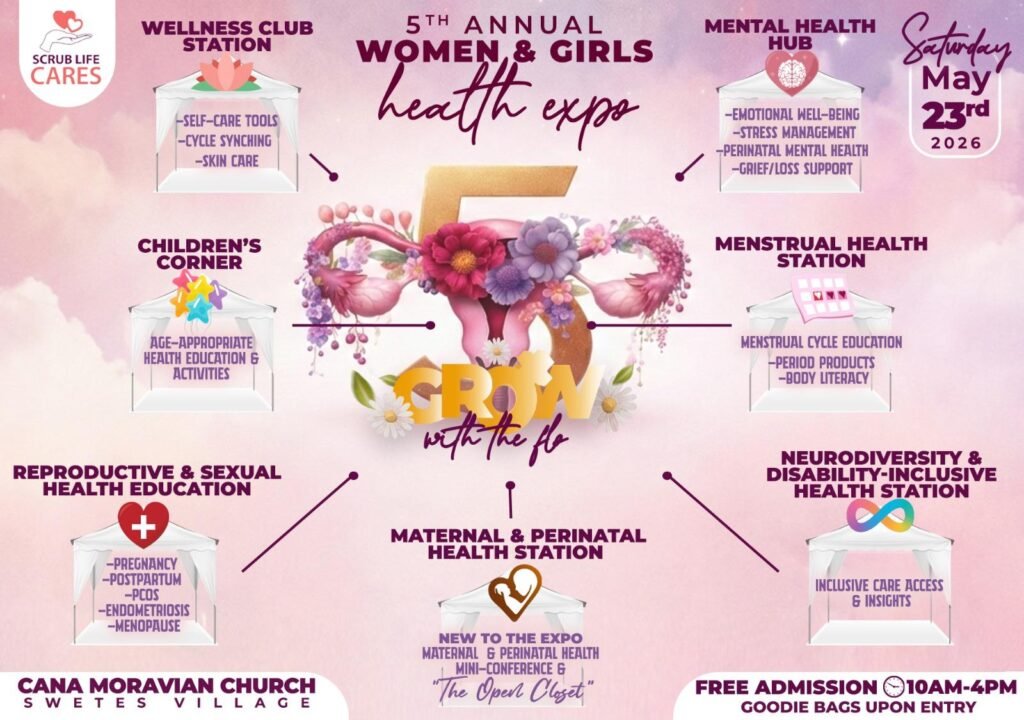
This year, that widening circle of care will include a new neurodiversity and disability-inclusive health station. The addition grew out of a commitment to health equity and accessibility, especially for families who may hesitate to enter busy public spaces because of sensory or support needs. For Ambrose, inclusion is not an extra feature to be added later. It is central to any serious effort to talk about public health in a meaningful way.
Responding to urgent maternal health needs
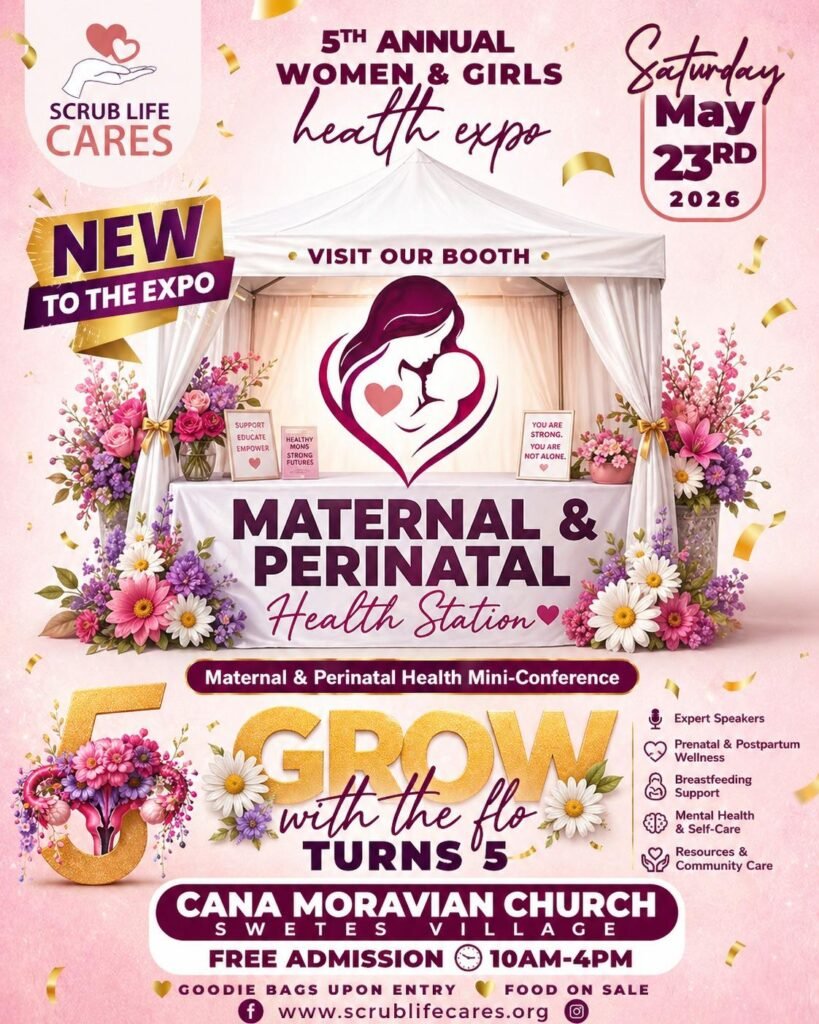
There is urgency, too, behind this year’s maternal and perinatal health station. Ambrose said she has been troubled by signs that some women are not accessing antenatal care at the levels they should, and she wants the expo to help reconnect families with information, services, and support already available through district clinics and other community resources.
The same spirit informs the organisation’s open closet initiative, which offers free new and gently used clothing and essentials in a way that preserves dignity while meeting practical needs.
What people take away
For Ambrose, the most powerful measure of the expo’s success is not simply attendance. It is what people carry away with them. Some leave less ashamed and more informed. Some parents come away better prepared to have difficult conversations with their children. Others, after speaking with practitioners at the event, go on to seek professional care. In those moments, the expo becomes more than a single day on the calendar; it becomes a point of connection that can change how people think about their health.
And while the annual expo is one visible expression of that work, Ambrose is thinking beyond the event itself. She wants stronger national policies around menstrual health, reproductive health education, and workplace support for women. She is calling for a more period-friendly Antigua and Barbuda, with better understanding in schools, workplaces, and public institutions, and with health education more firmly rooted in the national curriculum. In her view, real progress will come when these conversations are no longer treated as occasional interventions, but as part of everyday life.
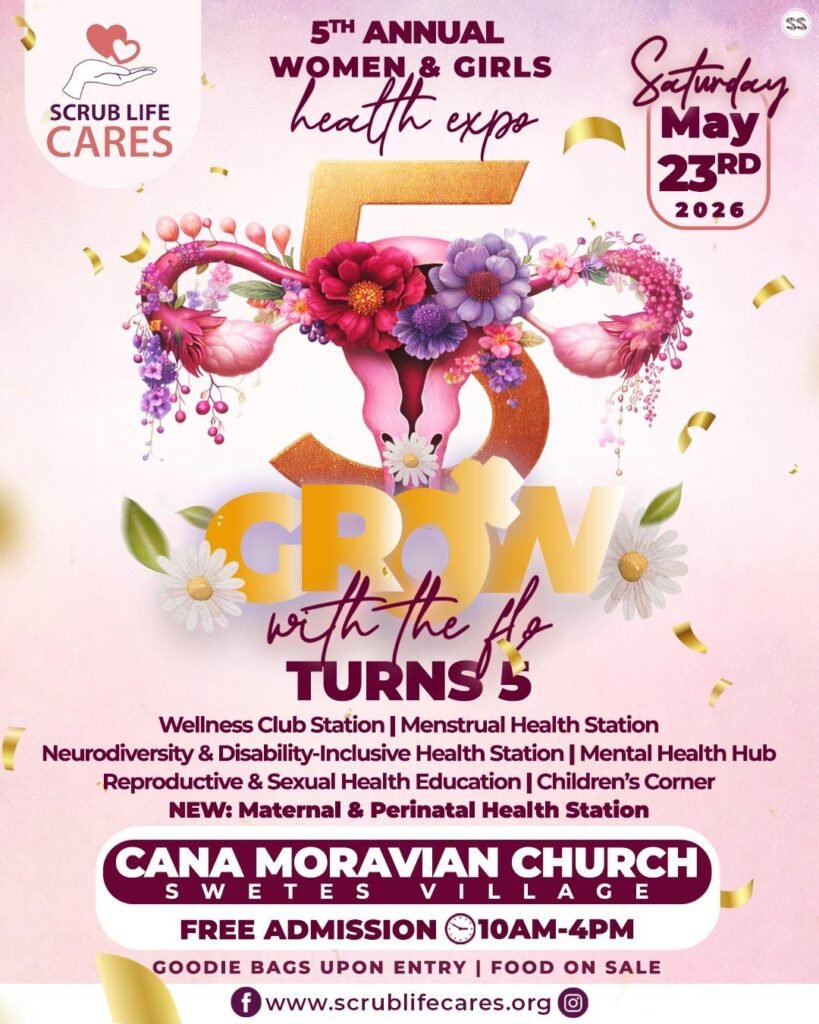
As this year’s event fast approaches, Ambrose is inviting women, girls, parents, and families across Antigua and Barbuda to attend the 5th Annual Women and Girls Health Expo on Saturday, May 23, 2026, at the Cana Moravian Church Grounds in Swetes Village. Whether they come with questions, concerns, or simply a desire to learn more, attendees will find a welcoming space offering information, connection, and support. A reminder that no one has to navigate their health journey alone.