
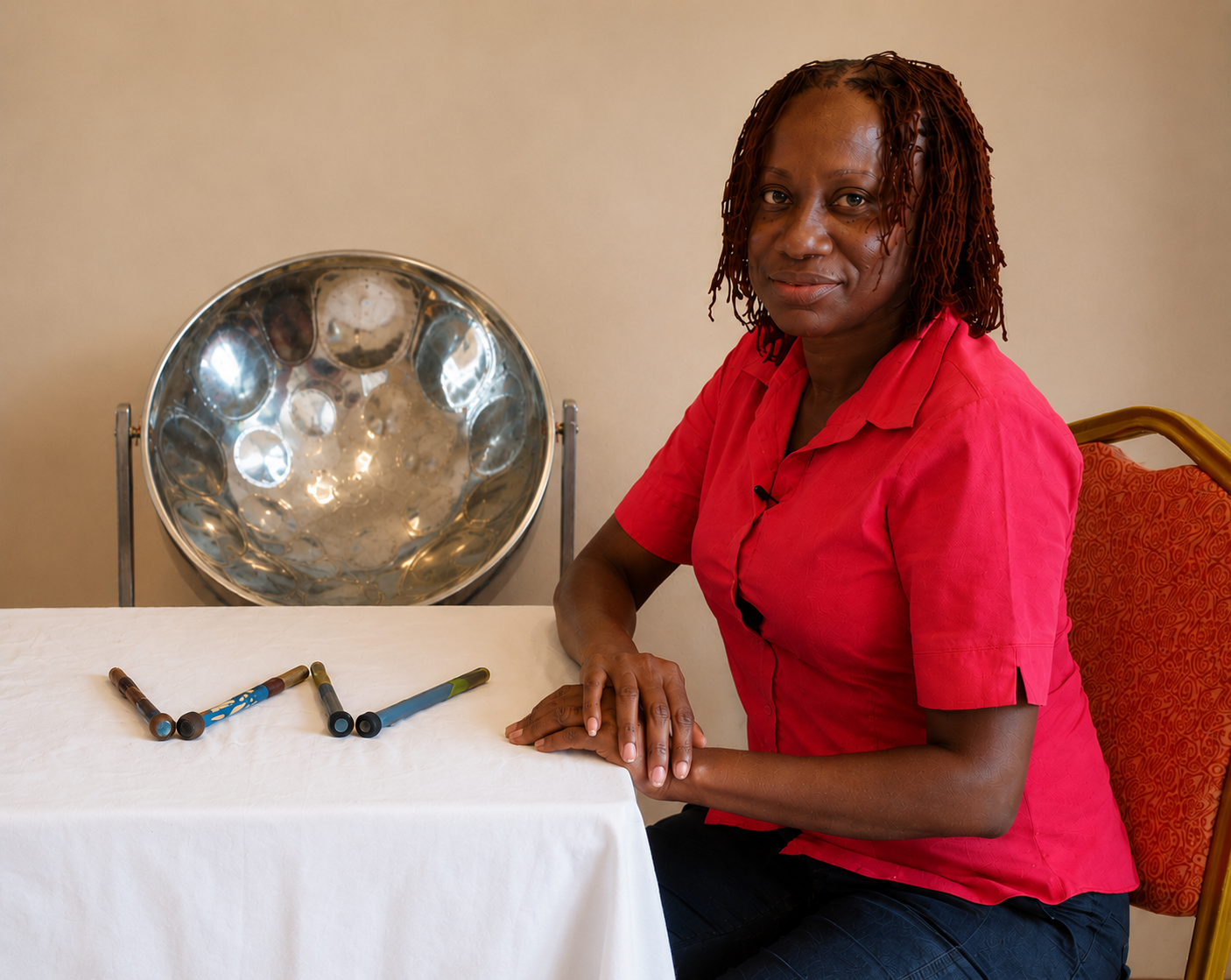
Steelpan did not enter my life; my life entered the movement. It was one of those key cultural elements I was born into.
By the accident of birth, I was raised in the Point, the cradle of culture and the arts in Antigua and Barbuda. Through stories told by my mother, my family, and my neighbours, and through the sounds and rhythms of the community around me, pan became part of me.
When I look back, I realise that I have spent more than half a century not simply listening to pan but living alongside its story.
And what a privilege that has been. I have sat with some of the men who were there when this thing was young. I have listened to their stories. I have played the instrument they helped establish.
I have helped to organise steel pan competitions, served as adjudicator, sponsored it, researched it, argued for it and watched successive generations fall under its spell.
Perhaps that is why, during International Steelpan Month, I find myself thinking less about a chronology of steelpan and more about the extraordinary way its history has intersected with my own life.
Sitting With Nugget
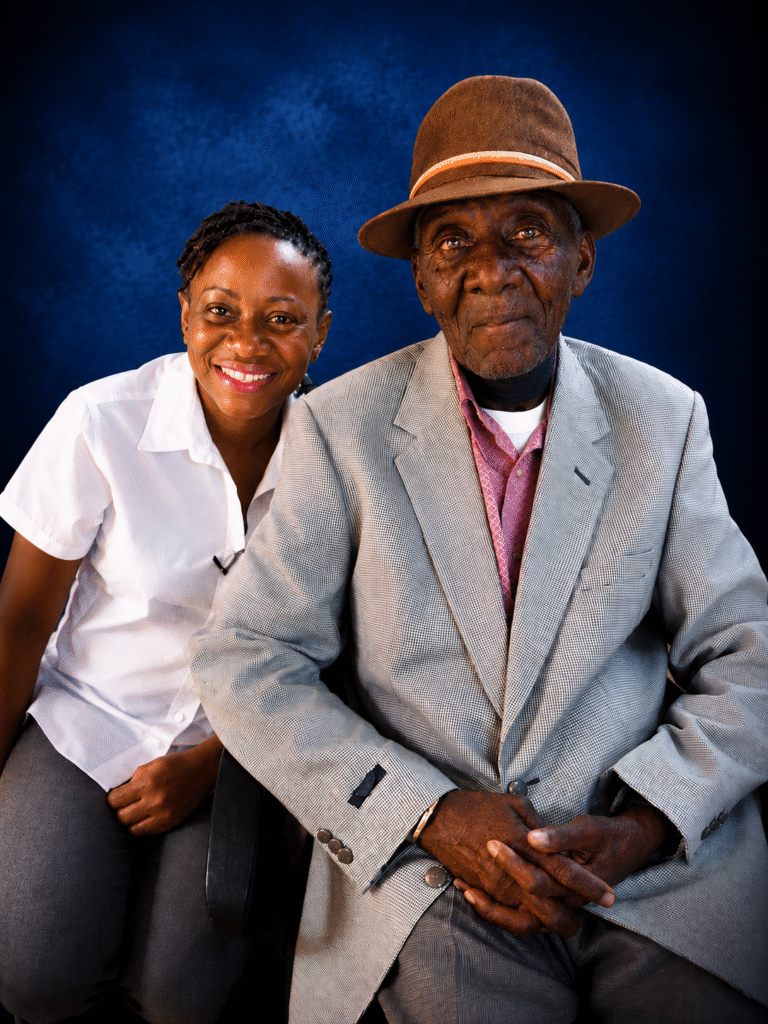
In 2017, while serving as Chairman of the National Panorama Committee, I was given a rather special assignment.
George “Nugget” Joseph was being honoured by the Carnival authorities and, as the chair of the panorama committee and with his willingness at 100 plus years old to be active for the season, I became his escort and personal chauffeur.
Nugget talked about those early years of steelpan in Antigua and shared his handwritten account of its origins. I touched those pages and read the words written by a man who had witnessed the emergence of an instrument and movement that would become embedded in our national identity.
I remember hoping that his handwritten history would be properly published while he was still alive, maybe one day still.
Manning and the Stories That Filled the Room
Then there was Eustace “Manning” Henry. I had the privilege of sitting with him for decades, and Manning could fill a room with memories.
Manning told stories about the origins and development of the steelpan, the characters who shaped it, the conflicts and triumphs it carried, and the ways pan belonged inside Antigua and Barbuda’s political and social history.
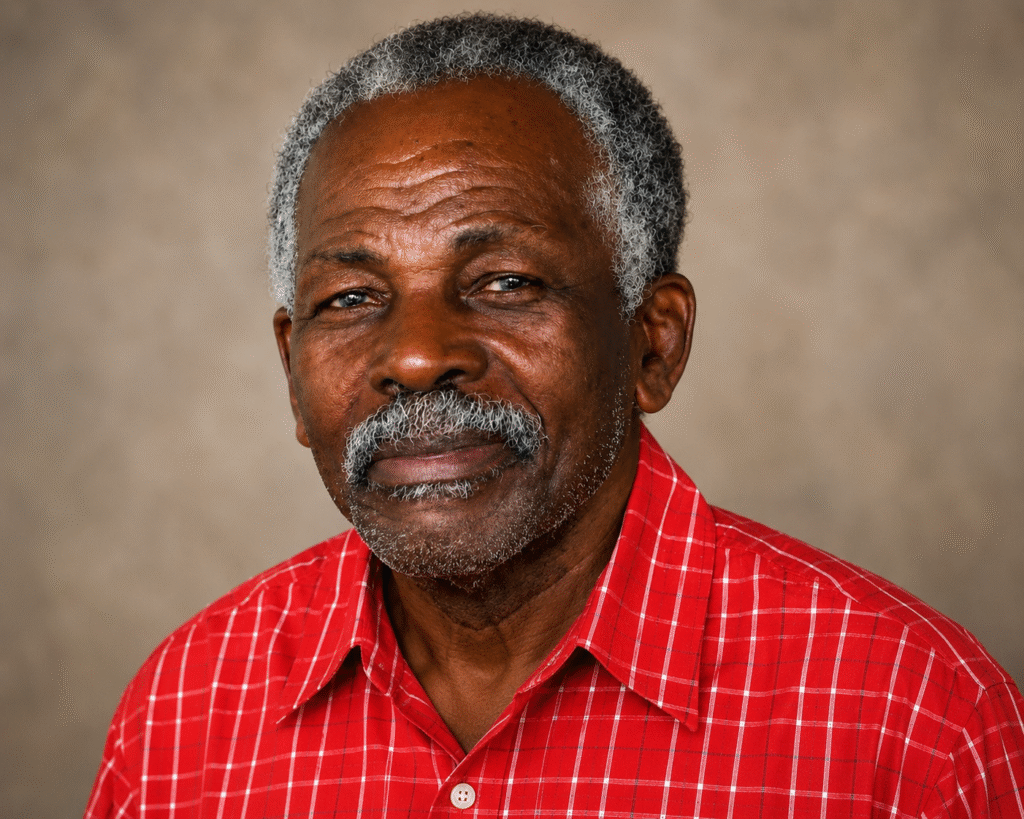
Through Manning, you understood that steelpan was never only about music. Pan existed within the struggles over class and respectability, within community identity and rivalry. It intersected with politics and contributed to economic activity.
Manning’s stories offered early examples of pan saving young people, especially those from poorer communities, through the safe spaces it created. That model survives to today.
Pan moved people through communities and communities through history.
Papi, Fundoo and the Stories in My Head
Some stories I wish I could retrieve perfectly. I cannot bring the legendary Bruce “Fundoo” Bloodman back to my memories.
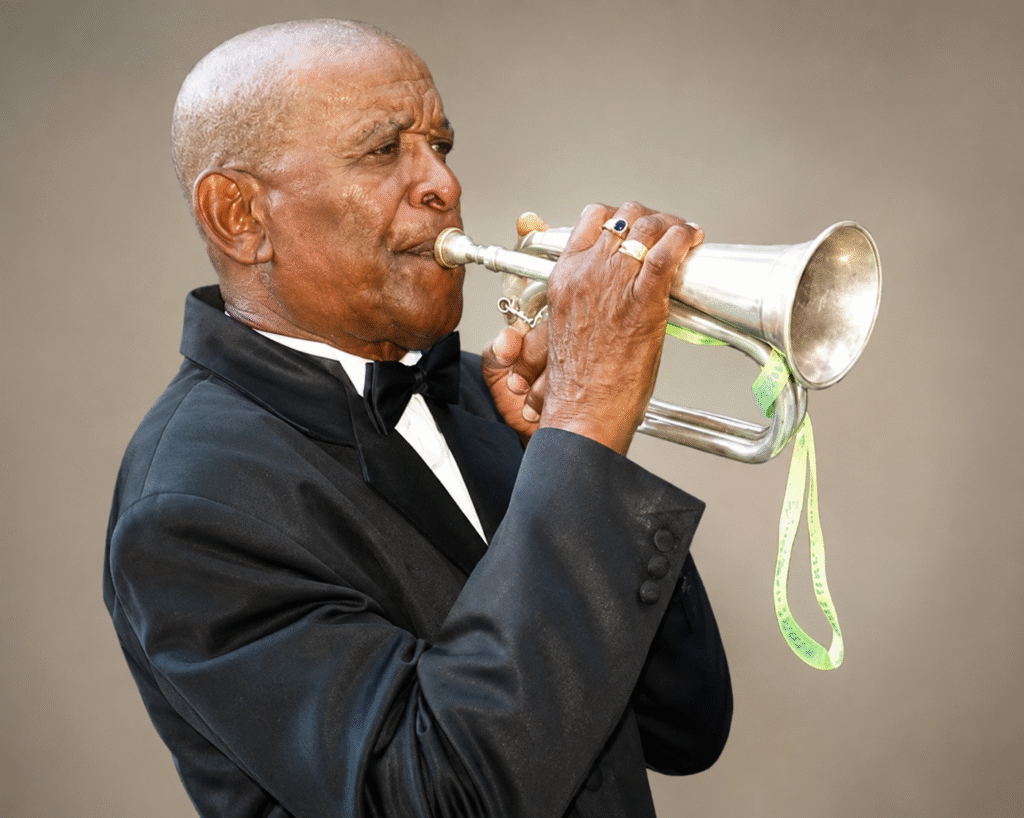
But I had something close. One of Fundoo’s best buddies and a fellow foundation member of Hells Gate was my uncle, Rupert “Papi” Mussington. And my uncle Papi was full of stories. Epic stories.
The sort of adventures that grow larger with every retelling, populated by characters whose personalities refuse to stay quietly in the past. Steelpan occupied a large place in those stories and still does today, permanently renting space in my memory bank.
Perhaps that is one reason I keep investing precious time in documenting our history. I know how much can disappear when the storyteller is no longer sitting there to correct you, add another detail, or suddenly remember, “Wait, I forget to tell you something…”
Teela, From Booby Alley
And then there was Rupert ‘Teela’ Parker.
Long before I could fully understand the significance of the men around me, Teela was part of my childhood landscape.
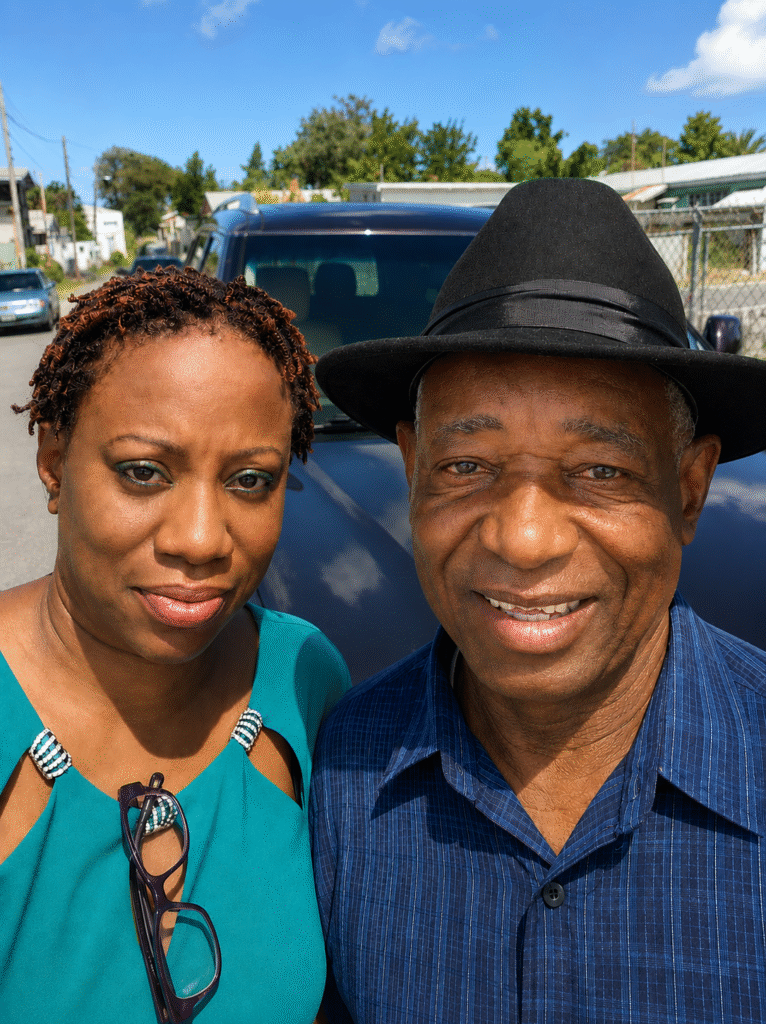
Teela was a founding father of the Harmonites Steel Orchestra, which was just steps away from my front steps. He was my neighbour in Booby Alley. His daughters were among my earliest playmates.
He was a regular in everyday life, just Teela. And without intending to, he was largely responsible for my early exposure to the pan business because he made pan, both the miniatures to sell as souvenirs and the regular-sized ones for his band and for sale.
His stories and adventures, some of which I witnessed firsthand, helped me see the work behind the music: the personalities, negotiations, loyalties, disagreements, and uncomfortable realities that lay beyond the sweetness of the notes.
He, along with my uncle Papi, taught me about the darker side of our steelband movement. Pan has a beautiful history, but it has never been without conflict. There were rivalries, egos, and internal politics. There were battles over leadership, control, recognition, and resources. Sometimes deep wounds ran between people who, ironically, shared a love for the same instrument.
Those were important lessons too.
Perhaps because Teela and Papi belonged to the geography of my childhood, those lessons settled differently and grounded me to meet the instrument and the people where they were.
My Heart in Steelpan Form
I didn’t have to go looking for pan. Pan lived across the street, making me a forever Harmo Girl. To describe Harmonites Steel Orchestra simply, it’s my heart in steelpan form.
I have sat at the feet of its founding fathers. I played under one of the longest-serving captains in our steelband movement, Simon Toulon.
But my access to the history has never stopped with one band.
I have sat with founding members of many of our steelbands, including Halcyon, Gemonites, and Supa Stars, listening, asking questions, sometimes simply absorbing.
Members of my own family have been movers and shakers in the development of the steelband movement, and, by my estimation, family connections touch at least 80 percent of the steelbands that have existed across Antigua and Barbuda.
Pan history, for me, has therefore been everywhere, around the family table, living next door, in the political executive branch meetings, at Baker’s Corner, and in many pan yards.
The Girl in the Panyard
I played pan as a child in my uncle’s yard. Later, I played at school. But even by the 1980s, some of the old stigma surrounding steelpan had not completely disappeared. My father worried. The idea of his daughter entering that environment raised fears that she might become caught up among the men and somehow be “soiled” by the experience.
That sounds extraordinary compared with how we speak about steelpan today, but it was part of the social construct of its time.
The shadow of those early attitudes still lingered. Pan had once been condemned as noise, associated with hooliganism, and treated by some as almost the devil’s work. Decades later, remnants of those prejudices remained.
And yet I played. The little girl whose father worried about what might happen to her around panmen would eventually play in National Panorama and Bomb competitions. Many times, I was the only girl in my band, and at least once, one of two women in the entire competition.
From Player to Organiser
My relationship with pan kept changing. I moved from playing to becoming involved in its organisation and administration.
I served as an organiser of the short-lived National Steel Orchestra, working alongside the visionary Saiid Greene and others.
I have chaired the National Panorama Committee and the National Schools Panorama Committee and organised many community pan events alongside pan legends such as Henderson Bass, Collin Derrick and Baldwin Spencer. Please note, I was the baby girl.
I have served as Secretary to the Antigua and Barbuda Pan Association under Mr. Anthony Hampson and Mr. Patrick ‘Stone’ Johnson, another rewarding and frustrating experience.
I have sat on the other side of the music as an adjudicator of pan competitions, listening not simply for enjoyment but for arrangement, execution, interpretation and all the elements that transform notes into a competitive performance.
Through my business and personally, I have sponsored steelbands and steelpan events.
None of these roles is my story; each has exposed me to another side of pan.
And Now I Spectate
These days, I also get to be nosy. From the sidelines, I watch the next generation of ‘young Turks’. I watch them arrange, tune, perform, experiment, travel, collaborate, and find new ways to take our instrument into the world. I see their frustration, and it excites me. Our pan story teaches that pressure and frustration with the system bring greatness and make the next generation stronger.
My focus this season is research and documentation to help preserve the legacy of Antigua and Barbuda’s pan story as this generation writes the next chapters.
Every generation believes it has discovered something new, but sometimes, if you listen carefully to the old people, you discover that today’s revolution has a grandfather.
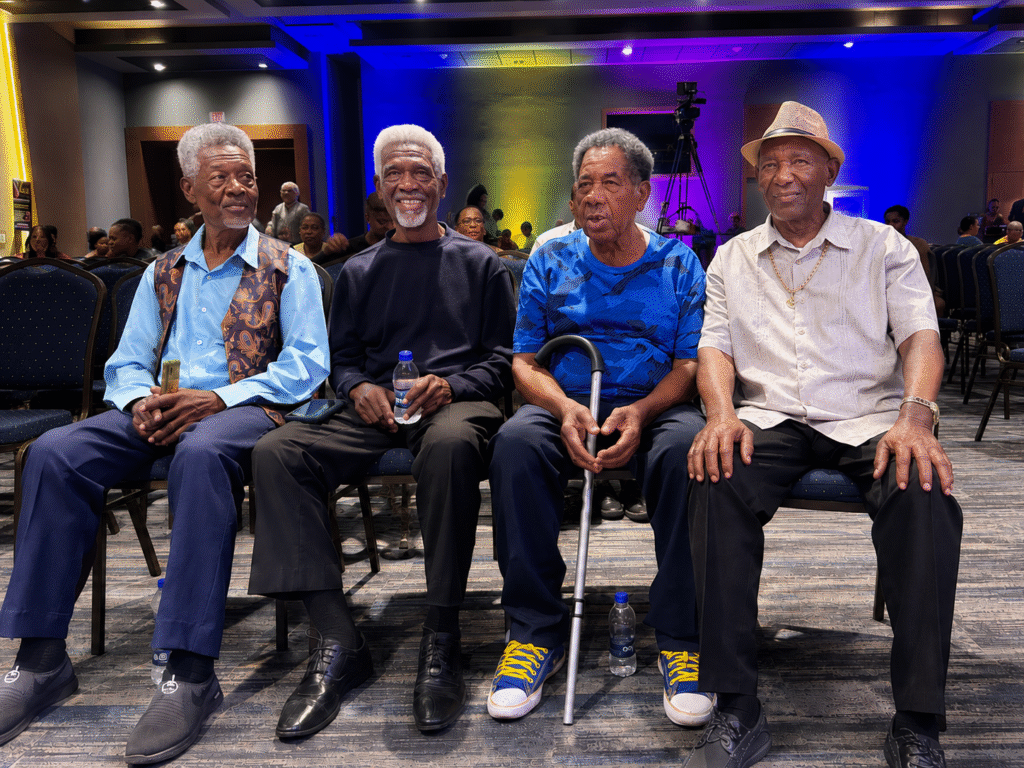
I remember my dad’s concern about his little girl entering the world of pan, the underbelly that was feared.
The little girl from Point could not have known that more than half a century later she would be trying to preserve some of the very stories that had surrounded her childhood.
I feel an urgency today. Our pioneers are leaving us. Some have already gone, taking entire libraries with them. Their stories cannot remain only in the minds of those of us fortunate enough to have sat at their feet.
Nugget understood that and wrote his story down. I held it in my hands.
And perhaps, without knowing it then, that moment reinforced something that has become increasingly important to me: We who have heard the stories have a responsibility to tell them.
I have lived my life to the sound of pan, from the Point of my childhood to the panyard, from Panorama to the committee room, from the adjudicator’s seat to conversations with pioneers, and now to the sidelines, watching another generation carry the instrument forward.
And still, whenever those sticks strike steel, and the first notes rise, I listen and dance (can’t help myself). Because somewhere inside that sound are the voices of the people who came before us. And I have been extraordinarily fortunate to have known some of them.
Lovely ..🥰
Great pan story of the pioneers who paved the way Raspect🎼🎶🎵🇦🇬💯💜$1000000.00 ✌🏿
What a moving, profound tribute to pan – and moreso to the original pan people! A beautiful story that so needed to be told! Thank you ma’am!