
January 25, 2026 – Chinese authorities, through closely coordinated state and defence channels, have confirmed that two senior People’s Liberation Army (PLA) figures are under formal investigation for what are described as serious violations of discipline and law.
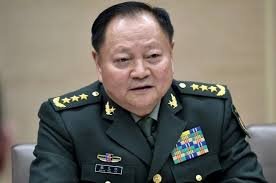
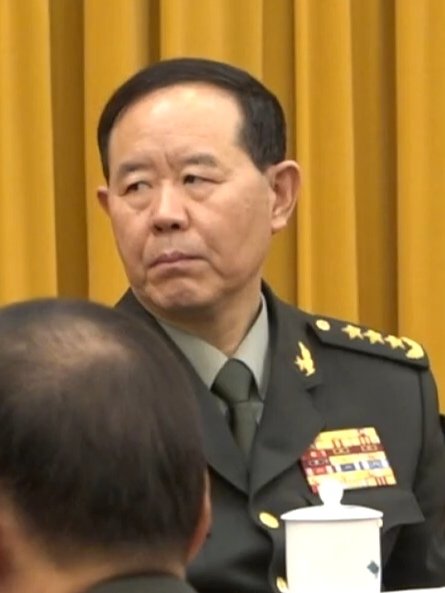
Those named are Zhang Youxia (75 years old), Vice Chairman of the Central Military Commission (CMC) and a member of the Communist Party of China (CPC) Political Bureau, and Liu Zhenli (61 years old) , CMC member and Chief of the Joint Staff Department, one of the highest operational posts within the PLA. The decision to place both officials under investigation was approved by the CPC Central Committee and announced through official channels.
In a statement carried by Xinhua News Agency, China’s Ministry of National Defence said: “After research by the CPC Central Committee, it has been decided that Zhang Youxia and Liu Zhenli, who are suspected of serious violations of discipline and law, will be placed under investigation.”
Official military-linked commentary has framed the move within China’s established governance and command framework, emphasising party authority over the armed forces and adherence to the Central Military Commission chairman’s responsibility system. There has been no reference in official Chinese communications to instability, factional conflict, or any attempt to undermine state authority.
At the same time, Western media and analytical circles are interpreting the developments through their own political and security lenses, drawing attention to the seniority of the officials involved and situating the investigations within broader discussions about power consolidation, institutional loyalty, and regional geopolitics. These interpretations remain analytical rather than evidentiary, and no credible outlet has confirmed an organised coup or armed challenge to China’s leadership.
The contrast between Beijing’s closely controlled state media messaging and Western analytical interpretation highlights the centralised, disciplined, and party-led nature of China’s internal political system, and the differing expectations around public disclosure. This divergence explains why international observers are monitoring the situation closely, while also acknowledging the limits of publicly confirmed information.
As a regular visitor to China, I continue to observe these developments with interest, particularly as they relate to the structure of governance within the People’s Republic of China, the relationship between party and state institutions, and how continuity and authority are communicated during moments of internal adjustment.