

What North America’s winter storms mean for Caribbean travel, tourism, and supply chains
I dodged the snowstorm bullet by a day.
What began as a mildly chaotic dash to the airport two Saturdays ago, to catch a flight I was convinced was still at least a week away, turned out to be one of those quiet blessings that only reveal themselves in hindsight. Instead of disruption, I landed in a stretch of near-perfect winter conditions.
Snow fell gently enough to transform streets into a winter-wonderland postcard, not aggressively enough to shut life down. The cold was honest but polite, just enough to justify bundling up without discouraging exploration. It was winter behaving itself.

There were the familiar rituals: catching up with family and friends, squeezing in new experiences, and enjoying the added bonus of restaurant week indulgences. Winter, when it cooperates, has a way of slowing you down just enough to savour moments you usually rush past.
Then, with timing that felt almost divinely choreographed, it was time to head home. Less than a day later, the storm rolled in. Airports snarled. Flights vanished from departure boards. Travel plans across the United States and Canada unravelled in real time.
And that’s when the personal became economics.
While snowstorms may feel distant to most of us in the Caribbean, their impact travels faster than cold air. This latest winter system disrupted major U.S. and Canadian hubs, triggering flight cancellations that rippled straight into Caribbean destinations, including Antigua and Barbuda.
Today, a number of flights into V. C. Bird International Airport were affected as winter weather continued to batter key regions of the United States and Canada. While airport operations here continued smoothly, American Airlines, JetBlue, and Air Canada reported cancellations and also advised passengers to check future flight status closely, as conditions persisted and schedules remained fluid.
This is the part of the storm story we don’t always see from our side.
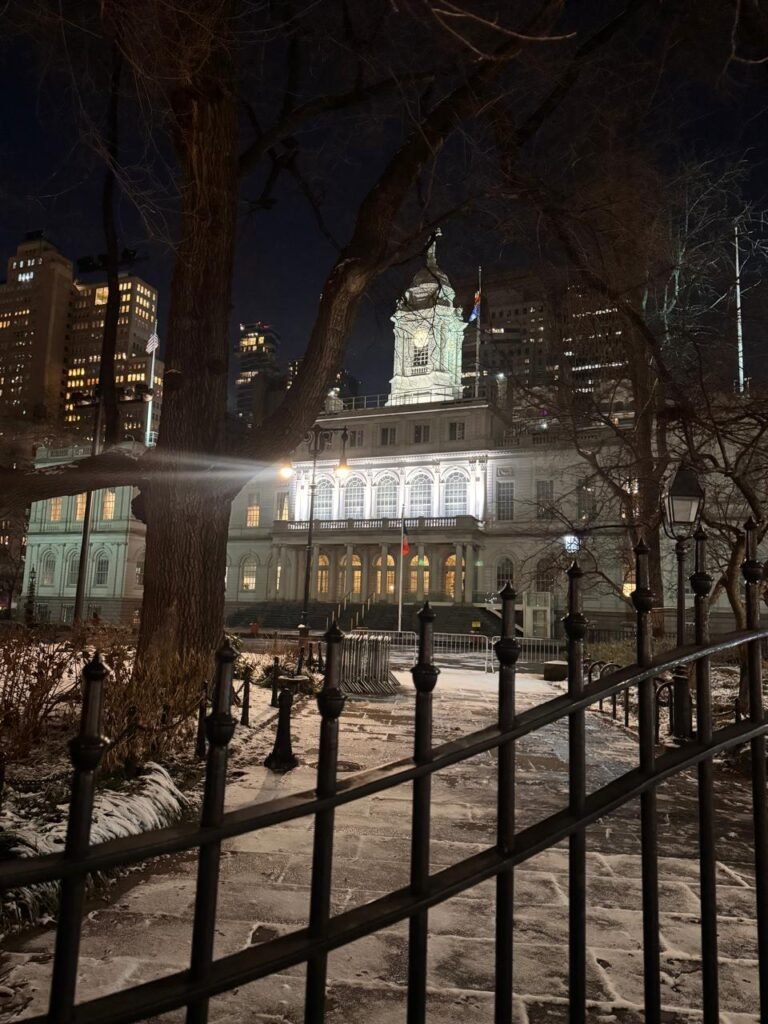
What is less visible, but just as consequential, is what winter storms do to cargo movement. Snow and ice not only disrupt skies; they slow ports, rail lines, and trucking corridors. Containers intended to reach docks on schedule are delayed along the route. Crews struggle to move goods from factories and warehouses to ports. Vessels may sail late, partially loaded, or rerouted entirely as storms interfere with safe docking and loading operations. The result is a quieter but longer-lasting disruption, one that doesn’t clear as quickly as a runway.
This is the part of the storm story we don’t always see from our side of the Atlantic.
What is less visible, but just as consequential, is what winter storms do to cargo movement. Snow and ice not only disrupt skies; they slow ports, rail lines, and trucking corridors across North America. Containers intended to reach docks on schedule are delayed at the inland terminals. Crews struggle to move goods from factories and warehouses to ports. Vessels may sail late, partially loaded, or rerouted entirely as storms interfere with safe docking and loading operations. The result is a quieter, longer-lasting disruption, one that does not clear as quickly as a runway.
Severe winter weather in North America, then, is not just a headline for airlines. It affects the full tourism and trade ecosystem. Delayed arrivals translate into shortened vacations, missed hotel nights, and reshuffled itineraries. Cargo disruptions ripple into hospitality supply chains, retail schedules, and construction timelines. January and February are peak travel months for Antigua and Barbuda. When flights from New York, Toronto, or Montreal stumble, the effects are immediate and measurable.
For Caribbean economies, including Antigua and Barbuda, those delays matter beyond visitor numbers. Food imports, construction materials, retail stock, hotel supplies, and spare parts all move through tightly timed shipping cycles. When winter storms interrupt inland transport in North America, the consequences surface days or even weeks later at Caribbean ports. Shelves restock more slowly. Projects pause. Businesses adjust menus, inventories, and expectations. It is a reminder that while we may enjoy sunshine year-round, our supply chains are deeply tied to climates far colder than our own.
For consumers, these global disruptions often appear in ordinary, almost unnoticed ways. Supermarkets may experience slower restocking of certain imported items. Hotels and restaurants may adapt menus or delivery schedules as supplies arrive later than planned. Construction projects can face brief pauses when materials or replacement parts are delayed. None of these signals a crisis, but it does underscore how closely daily life in Antigua and Barbuda is linked to supply chains that run through North American ports and inland transport systems. Patience, flexibility, and forward planning become part of the price of living in a highly connected global economy.
How long will this last? The worst of the storm system may pass within days, but disruptions have a longer tail. Aircraft and crews need repositioning; cargo and travel backlogs take time to clear. Even after skies brighten, schedules often wobble for several days. The impact is rarely confined to the storm itself; it lingers in missed connections for airlines and cargo vessels, and cautious travellers waiting for stability before confirming plans.
The good news is that Caribbean airports, tourism operators, and business enterprises are accustomed to this dance. Flexibility, communication, and calm coordination matter more than panic. Advising travellers to check their flight status before heading to the airport is not alarmist; it is practical. Communication regarding cargo that wasn’t shipped is a good risk management practice. Reassurance is as valuable as runway clearance.

There is also a quiet lesson here about interconnectedness. A snowstorm thousands of miles away can determine whether a hotel room is filled, whether a taxi makes a fare, whether a restaurant seats a table, what groceries are purchase and construction deadlines. Climate events do not respect borders or modern travel.
As for me, I returned home grateful. Grateful for good timing, grateful for smooth skies, and grateful for the reminder that travel, like life, often rewards a little humility. You plan; you prepare. And sometimes, you simply get lucky enough to miss the storm by a day.
To everyone navigating altered itineraries this week: check your flights, travel safely, and know that the Caribbean will still be here when the clouds lift.
As we always are! We live where you vacation.
Great article
Thank you for reading and sharing your feedback
This is so true. Glad you got home safely. The effect is real and still on-going.