
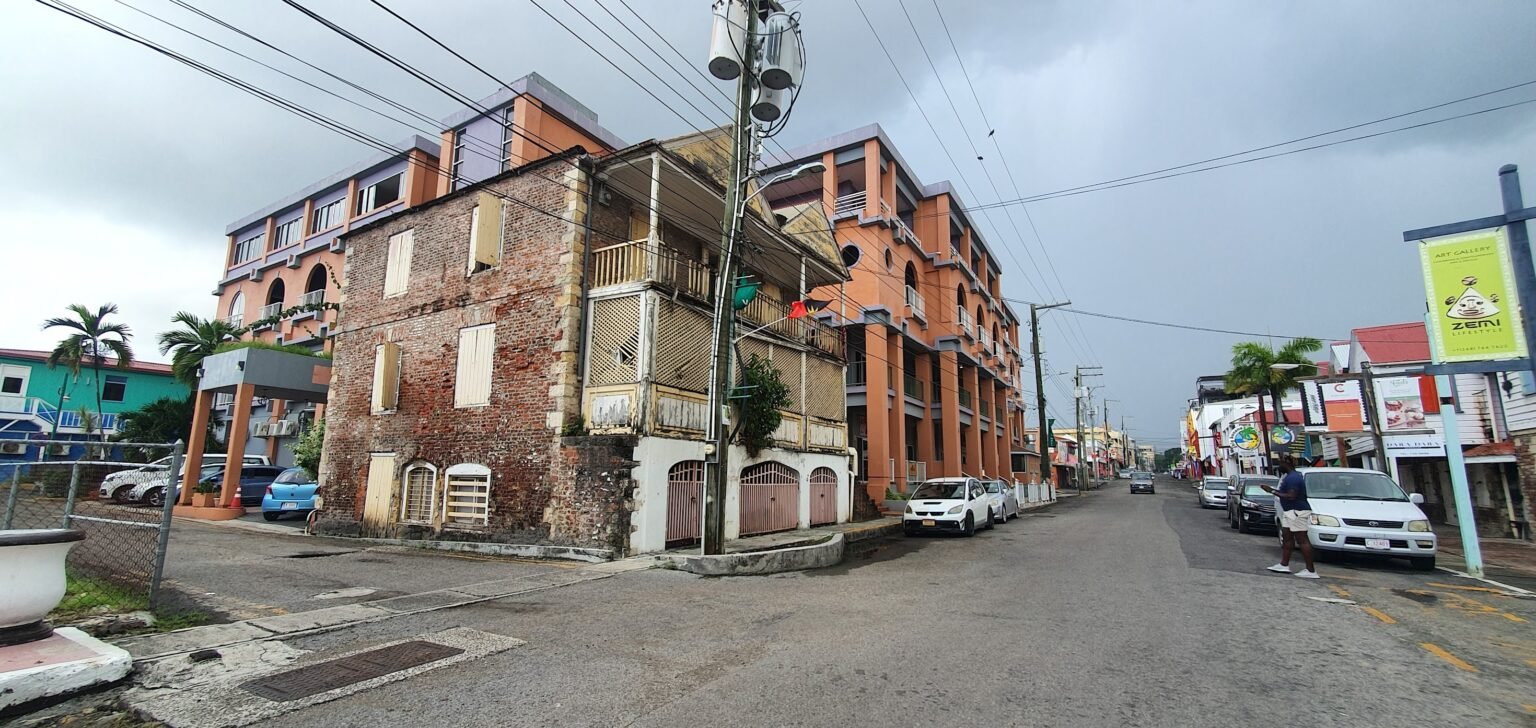
The recent emphasis on the chronic, deeply entrenched run-down condition of St. John’s City has given rise to cautious optimism that a genuine plan for re-urbanisation and modernisation may finally be emerging. This is not the first time the capital’s condition has been publicly acknowledged, nor the first time a promised renewal has been announced. Yet there is reason to believe this phase may prove different, not because the challenges are newly discovered, but because the response now being pursued is broader, more integrated, and increasingly anchored in law.
For the first time in years, St. John’s is being approached not as a collection of isolated problems, but as a single urban system requiring coordination across ministries, agencies, legislation, and enforcement.
To understand the significance of this moment, it is necessary to return briefly to the city’s origins.
A Capital Planned With Intent
St. John’s sits at the head of a deeply indented natural harbour, a geographic advantage that shaped its destiny from the earliest period of settlement. It is not only the residential capital of Antigua and Barbuda, but the country’s commercial, administrative, and entertainment centre. Tourism has long been central to its role. The harbour was dredged to accommodate deep-draft cargo and cruise vessels, ensuring that most visitors arriving by sea disembark directly into the heart of the city.
Established as the capital in 1632 and formally planned in the early 1700s, St. John’s is recognised as one of the earliest deliberately designed colonial towns in the region. The 1702 town plan laid out a precise grid, with broad east-west avenues intersected by narrower north-south streets, rising gently inland from the harbour. The waterfront, spanning from The Point, first extending down to Rat Island, then spreading up around to the Quays, served as the trading and administrative spine, while religious and civic institutions were deliberately placed on higher ground.
At its apex stands St. John’s Cathedral, its white baroque towers dominating the skyline since its original consecration in 1683. Surveyor General John Killian’s 1788 plan documented churches, government buildings, and private properties with an order that reflected both imperial authority and urban coherence. Areas such as Redcliffe Quay, once a barracoon where our enslaved African ancestors were held before sale, remain preserved examples of the city’s early waterfront architecture and layered history, now integral to heritage tourism.
St. John’s was never meant to be accidental or chaotic. It was designed as a capital of presence, proportion, and purpose.
A Long, Uneven Decline
What followed was not a sudden collapse, but a gradual erosion. Over decades, the city absorbed the pressures of population growth, informal commerce, and aging infrastructure without the benefit of sustained urban management. There were periods of visible intervention, most notably during the UPP administration, when sidewalks and drains received attention. However, many of those efforts proved superficial. In several instances, short-term cosmetic improvements produced long-term consequences, accelerating the City’s deterioration.
For decades, little sustained attention was paid to the physical deterioration of the City’s buildings, the majority of which are privately owned. Aging facades, unsafe structures, and prolonged neglect became normalised features of the urban landscape. Informal vending, while an honest and essential form of economic survival, expanded in a swarm-like manner without corresponding spatial planning, infrastructure, or visual cohesion, further complicating the city’s appearance and movement.
Compounding this neglect was the absence of meaningful infrastructure upgrades. Sewage systems, underground utilities, drainage capacity, and coordinated service corridors have seen little sustained investment or coordinated upgrading. The result has been a capital that functions but does not inspire; one that receives visitors daily yet struggles to present itself with confidence or coherence.
It is from this accumulated condition that the current policy moment arises.
The Earliest Signal: Where Intent Met Resistance
The appointment of Rawdon Turner as Minister of Social and Urban Transformation in January 2025 marked a subtle but important pivot. The ideas now shaping the City of St. John’s Consultation were not new. What changed was sequencing. Movement began to follow language.
The earliest clear signal of the Minister’s intention to tackle the long-standing challenges of St. John’s came through a deliberately phased and politically sensitive intervention: vending. He outlined a first phase aimed at restoring order to key civic and heritage spaces in the capital. Central to this was a directive prohibiting vending in the immediate surroundings of the V.C. Bird Bust, near the Public Market Complex. Vendors operating in the area were given until April 17 to comply with the new rules issued by the St John’s Development Corporation.
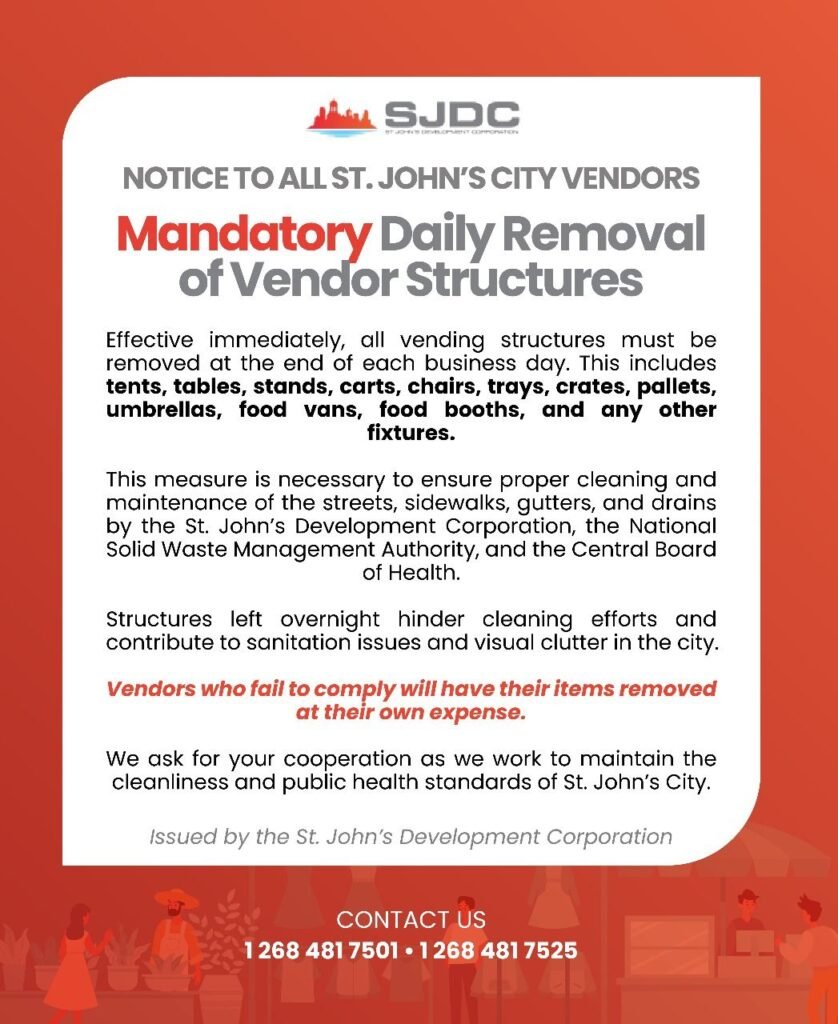
The directive was unambiguous and represented a departure from years of tolerance that had allowed informal activity to overwhelm monuments, public walkways, and key commercial corridors.
As has often occurred in the past, the initiative immediately encountered resistance. Vending occupies a particularly sensitive political space, intersecting livelihoods, representation, and electoral pressure. This initial move was notably almost derailed by the old guard through an announcement by the Attorney General and Member of Parliament for the City. That more felt familiar: a reform attempt halted at the first sign of discomfort viewed through a myopic political lens.
What followed, however, marked a notable break from the past.
Rather than allowing the issue to quietly dissipate, the Cabinet, in a clear demonstration of leadership cohesion and institutional backing for a fresh, more innovative approach to long-standing urban challenges, ultimately stood with Turner’s plan. The outcome sent an early and important signal that youthful vision, policy innovation, and the national good would not be sacrificed to reflexive political accommodation.
In retrospect, this episode proved to be a defining early test. It revealed both the resistance such reforms inevitably attract and the political will now emerging to see them through. Order, in this framing, was not anti-vendor, but pro-city. And for the first time in years, the intent to rebalance that equation was not only articulated but defended.
Vacant and overgrown lots, long discussed as potential public assets, began to be actively cleared and repurposed. Urban greening initiatives being conceptualised to reframe neglected spaces as civic opportunities rather than urban scars. These interventions were modest in scale yet visible, restoring a sense that the city could again be shaped deliberately.
More consequential was the approach to derelict buildings. For years, such structures were acknowledged as hazards yet left untouched, trapped between legal caution and political sensitivity. Under Turner’s watch, demolition moved from theory to practice, beginning with long-abandoned buildings that had stood empty for more than a decade.
Crucially, this was not framed as a blunt enforcement campaign. Property owners were issued notices, given opportunities to repair or remediate, and offered support where cooperation was possible. Turner has consistently called for a balanced approach that combines strict enforcement of building codes with social support for citizens, recognising that urban decay often lies at the intersection of neglect, vulnerability, and weak regulation. Demolition became the final step, not the opening move.
This recalibration matters. It reintroduced accountability without abandoning fairness, and it reset expectations around property ownership in the capital as an active responsibility rather than a passive entitlement.
Policy Finds Its Legal Backbone
What distinguishes the current phase from earlier efforts is not only visible intervention but also the legislative architecture that now reinforces it. Actions are being underpinned by a series of legal reforms that significantly expand the state’s capacity to confront urban decay.
Foremost among these is the Tax Administration and Procedure (Amendment) Bill 2025, passed in October 2025. This law strengthens government authority to address derelict, neglected, and tax-delinquent properties. Owners are given a clear 28-day deadline to bring properties into compliance. Failure to do so opens the door to more transparent, state-led intervention, including seizure or sale, with all actions publicly announced via the Gazette.
Significantly, the legislation mandates procedural clarity and reduces political ambiguity. Neglect now carries predictable, legally grounded consequences.
This reform builds on earlier changes, including the Registered Land (Amendment) Act 2023, which streamlined land registration, clarified subdivision of contiguous parcels, and tightened land reclamation rules. While technical in nature, these changes removed long-standing administrative obstacles that had complicated redevelopment and enforcement in dense environments like St. John’s.
As of January 2026, further amendments are under consideration, demonstrating a cross-agency approach. These would grant the Development Control Authority and the St. John’s Development Corporation expanded powers to issue fines that accumulate daily until properties are repaired, secured, or redeveloped. Importantly, this authority would extend not only to abandoned buildings but also to properties currently in use that are visibly in disrepair.
Under existing regulations, the DCA already has the authority to issue amenity orders requiring owners to act within 28 days. The proposed changes strengthen compliance mechanisms, reducing the likelihood that notices can be ignored indefinitely.
Urban decay is no longer being defined solely by abandonment, but by condition, safety, and contribution to the city’s overall environment.
Integration Beyond the Law
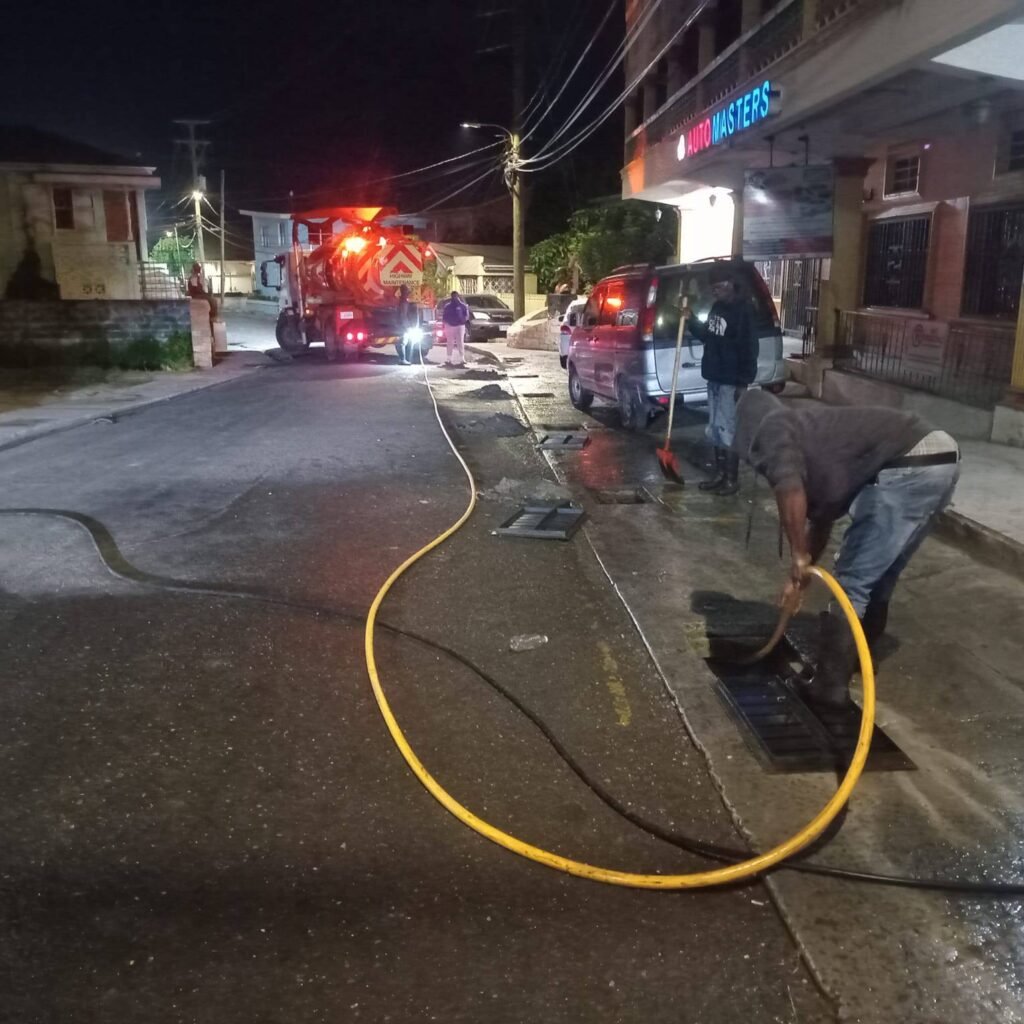
Legislation alone does not clean streets or repair drains. What lends credibility to the current approach is the visible alignment between law, enforcement, and service delivery.
The intensified clean-up efforts by the Ministry of Health’s National Solid Waste Management Authority, alongside ongoing works by the Ministry of Public Works to repair drains, sidewalk covers, and major roadways such as Redcliffe Street, reinforce the message that rising standards are being applied across the board. Enforcement is being paired with state responsibility, not substituted for it.
This reciprocity matters. Property owners are being asked to comply, but they are also seeing government agencies address long-neglected public infrastructure.
Upcoming Consultation in Context
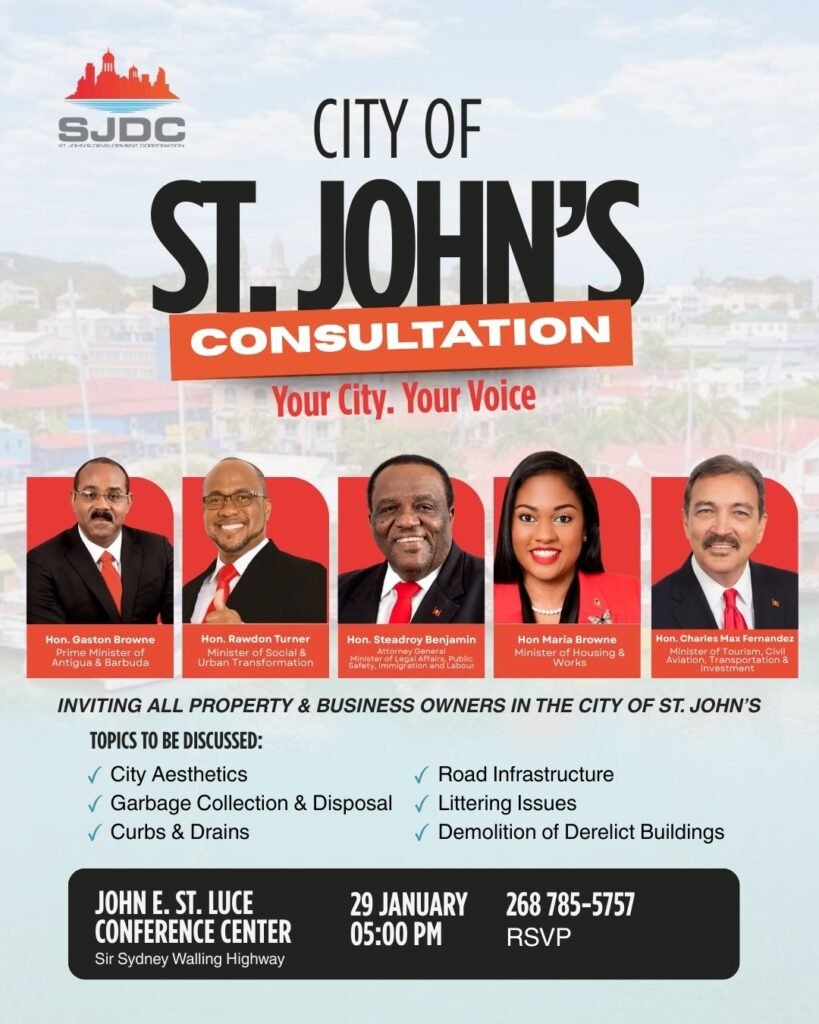
It is against this backdrop that the City of St. John’s Consultation scheduled for Thursday, 29 January 2026, must be supported with active participation. It is not a starting point, but a consolidation exercise. The presence of multiple ministries, legal authority, and operational agencies signals alignment between policy intent and enforcement capacity.
“Your City. Your Voice” reflects sequencing rather than uncertainty. An intentional opportunity for direct engagement that must not be wasted.
St. John’s did not decline because of a single failure, and it will not be restored through a single meeting or law. But the convergence of historical intent, visible intervention, legislative reform, and coordinated agency action suggests the city has entered a materially different phase.
For the first time in decades, urban renewal in the capital is being pursued not as a collection of temporary fixes, but as a governed process with legal teeth, institutional alignment, and a clear end goal: a capital that functions, reflects its history, and projects confidence to those who live in it and those who arrive at its shores.
This is the time to get our minds into preparatory mode. What changes would we want for today and into the long term? What sacrifices are we prepared to make? We are invited to the table, don’t let the opportunity pass.
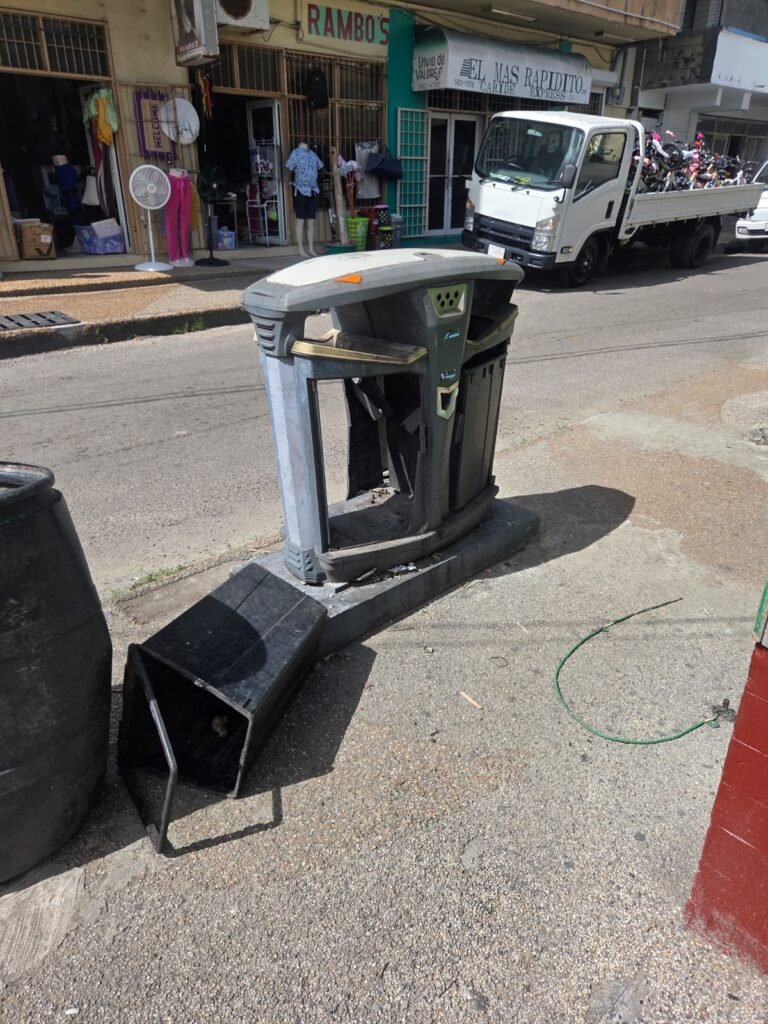
As for me, I have an early one. Those failing autobots that masquerade as garbage bins on the corners, can we urgently do something about them, pretty please?