
March 10, 2026 – As China’s annual Two Sessions continue in Beijing, foreign policy signals emerging from the meetings are drawing attention across the Global South, including the Caribbean.
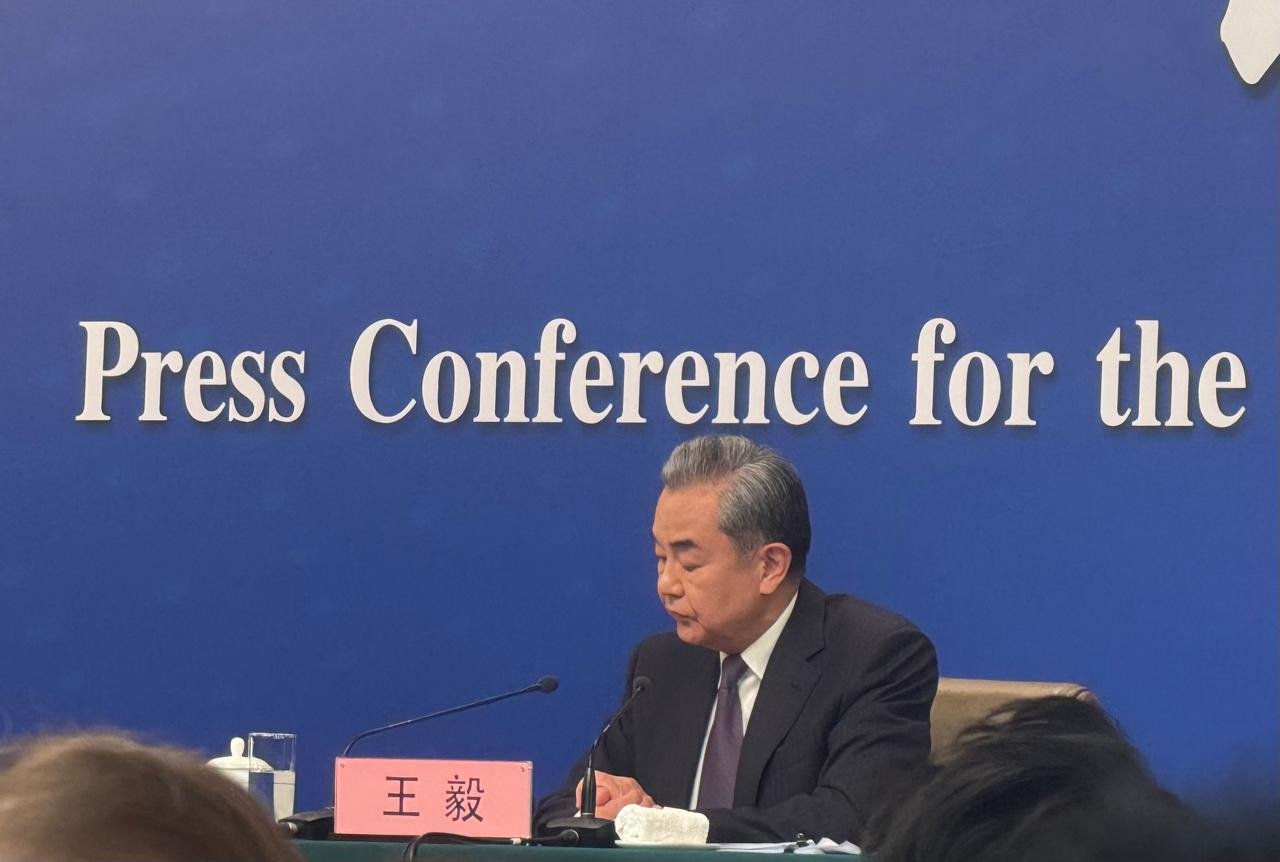
Speaking at a press conference on the sidelines of the fourth session of the 14th National People’s Congress on March 8, China’s Foreign Minister Wang Yi delivered a pointed message about the nature of Beijing’s engagement with Latin America and the Caribbean (LAC). He stated, “The path of Latin American and Caribbean countries should be chosen by their people, and the choice of friends is a decision for LAC countries alone”.
The remark comes at a moment when geopolitical attention to the Caribbean and Latin America is intensifying, particularly as major powers reassess strategic influence in the Western Hemisphere.
A Message About Sovereignty
Foreign Minister Wang’s remarks carried a clear diplomatic tone, reinforcing China’s longstanding framing of its relationship with developing countries. He continued, “Old scripts from the 19th century shouldn’t be acted out on the international stage of the 21st century,” suggesting that historical patterns of external control or influence should not define contemporary international relations.
He stressed that the resources of Latin America and the Caribbean belong to the people of the region and that national development paths must remain sovereign decisions.
For many Caribbean policymakers, sovereignty remains a central principle in international engagement. Small states routinely balance relationships with multiple global partners, and Beijing’s message speaks directly to that diplomatic reality.
China–LAC Cooperation and the Global South
China positions its relationship with Latin America and the Caribbean as part of broader Global South cooperation built on mutual development interests rather than traditional donor-recipient dynamics.
According to Wang, China–LAC relations have expanded significantly over the past five decades. He attributed this growth to Beijing’s emphasis on respect, equal treatment, and mutual benefit. This engagement has taken shape through mechanisms such as the China-CELAC Forum, which serves as the primary diplomatic platform for linking China with the region.
At last year’s ministerial meeting of the forum in May, China and LAC countries agreed to advance cooperation through five thematic programmes focused on solidarity, development, civilization exchange, peace, and people-to-people connections. These initiatives are intended to provide what Beijing describes as a roadmap for modernization partnerships between China and developing economies.
What It Means for the Caribbean

For Caribbean states, Wang’s remarks reinforce an increasingly familiar diplomatic landscape: one where small economies must manage relationships with multiple major partners while seeking to preserve policy autonomy.
China’s position emphasises non-interference and partnership among developing countries, while Washington’s recent posture reflects a stronger strategic interest in the region’s economic and security landscape.
For governments across the Caribbean, the practical challenge is less about choosing between partners and more about ensuring that external partnerships can align with national development priorities. Infrastructure investment, climate resilience financing, digital connectivity, and tourism market diversification remain among the key areas where engagement with global partners can shape economic outcomes. Caribbean leaders continue to push on these in the interest of national and regional development.
The Two Sessions traditionally focus on domestic economic policy, but they also provide an important platform for Beijing to signal its diplomatic posture.
Foreign Minister Wang Yi’s remarks suggest that China intends to continue framing its engagement with the Caribbean and Latin America as part of a wider Global South partnership built on sovereignty and development cooperation.
For Caribbean states navigating an increasingly complex geopolitical environment, the message is clear: the region remains an active arena in the evolving global economic conversation.
And as the Two Sessions continue in Beijing, those signals will continue to be closely watched across the Caribbean and the wider Global South.