
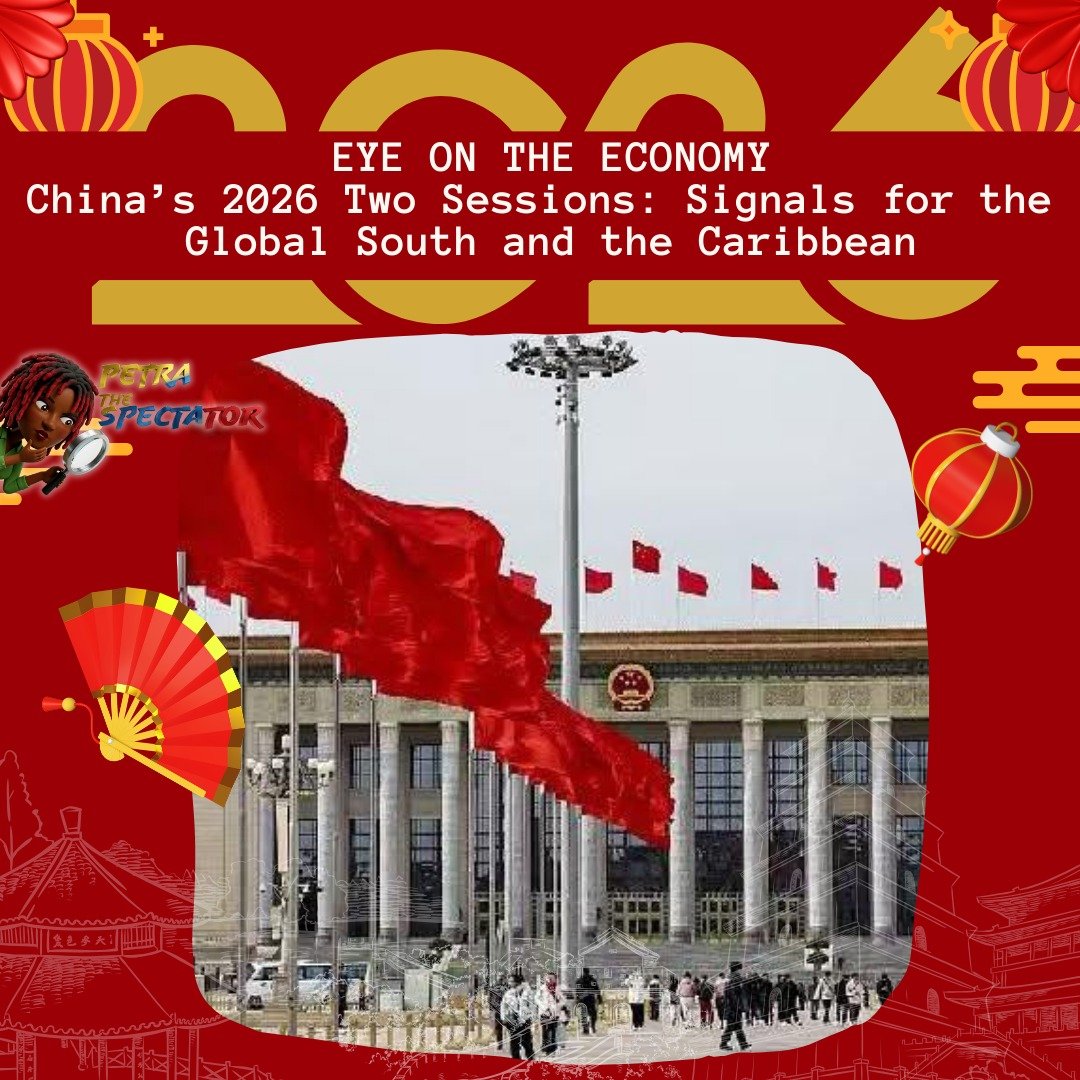
China’s high-quality economic development has continued to make steady progress, injecting stronger momentum into the global economy, according to international observers assessing expectations for the country’s upcoming Two Sessions.
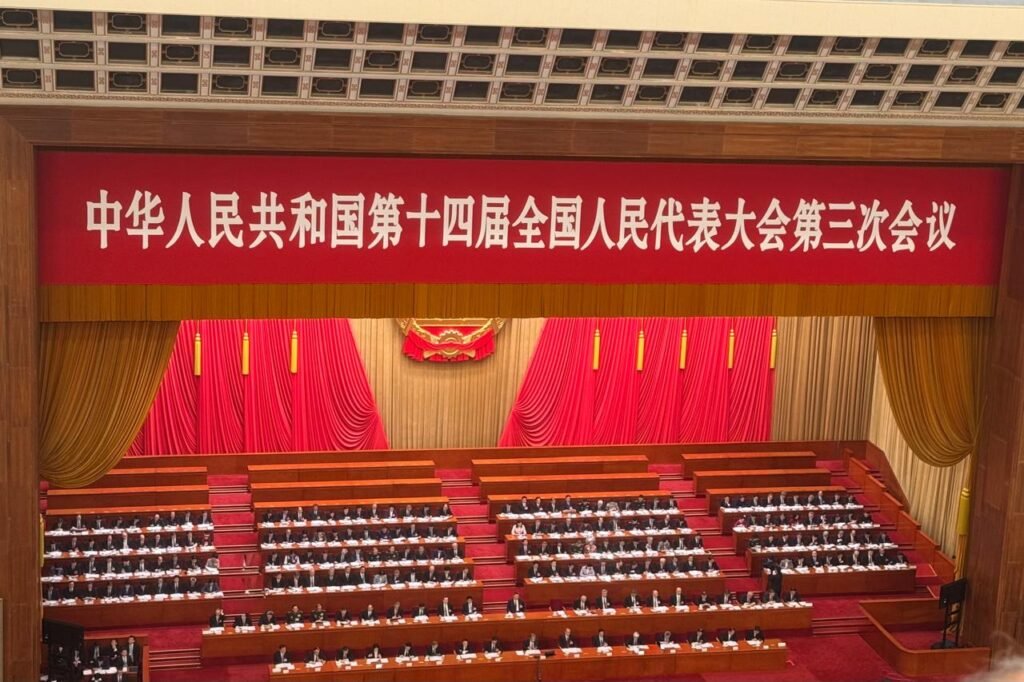
The “two sessions” are the annual meetings of China’s top legislature, the National People’s Congress (NPC), and the top political advisory body, the National Committee of the Chinese People’s Political Consultative Conference (CPPCC). Both bodies serve five-year terms and hold a plenary session each year, generally in March.
The fourth session of the 14th National Committee of the Chinese People’s Political Consultative Conference and the fourth session of the 14th National People’s Congress will be held on March 4 and 5, respectively.
This year’s gatherings are being closely watched because the 2026 Two Sessions are widely seen as the launch platform for China’s 15th Five-Year Plan (2026 to 2030) and a moment to reinforce the country’s development strategy. The policy tone emerging from Beijing suggests continuity with recalibration rather than abrupt shifts.
High Quality Development
The clearest signal from early briefings and state media framing is that China is doubling down on what it calls high-quality development. In practical terms, Beijing is focused on strengthening domestic consumption, upgrading industrial and technological capacity, managing financial risks more carefully, advancing the green transformation, and deepening structural reform. The leadership appears intent on moving the economy further away from the old model of property market development and export-oriented growth. The emphasis is on a more internally resilient and technology-driven system. For global markets, the message is one of managed transition rather than emergency stimulus.
One of the most notable shifts heading into the 2026 meetings is the elevation of domestic consumption as a primary driver of growth. Policymakers are expected to deploy targeted measures to boost household spending while supporting income growth in both urban and rural areas. There is also likely to be continued expansion of services consumption alongside efforts to stabilise employment. This reflects a sober reading inside Beijing that external demand remains uncertain and that a stronger domestic demand base is essential for medium-term stability.
Innovation policy remains firmly embedded as a core component of China’s economic strategy. The phrase “new quality productive forces” has gained prominence and is a part of official Chinese policy language. It signals a deliberate push up the value chain. Beijing is expected to continue emphasising advanced manufacturing, artificial intelligence, and digital infrastructure, semiconductor resilience, and the integration of high-tech processes into traditional industries, alongside expanded basic research funding. This reflects the geopolitical economics now shaping global competition. China continues its long-term effort to reduce vulnerability to external technology constraints.
Unlike earlier periods when China leaned heavily on broad infrastructure surges, the 2026 tone suggests more calibrated support. Policymakers appear poised to encourage greater private-sector investment, increase central budget spending in strategic areas, and improve coordination between infrastructure and human capital development. At the same time, authorities are expected to maintain cautious management of property sector risks and continued attention to local government debt.
Implications for the Global South
Beyond domestic policy, the Two Sessions also function as a signal platform for China’s external economic posture, particularly toward the Global South. Current indications suggest a continued shift toward what Beijing calls high-quality Belt and Road cooperation, with overseas engagement becoming more selective and more closely tied to project viability, green standards, and digital connectivity. China is also expected to reinforce its South-South cooperation narrative, positioning itself as a development partner in areas such as infrastructure, energy transition, and industrial capacity building.
From a Caribbean vantage point, the 2026 Two Sessions carry several practical implications. If Beijing continues its shift toward more selective overseas financing, regional governments may encounter tighter project scrutiny and greater emphasis on commercial viability, climate alignment, and digital infrastructure. Competition for concessional financing could intensify, underscoring the need for well-structured and economically sound proposals.
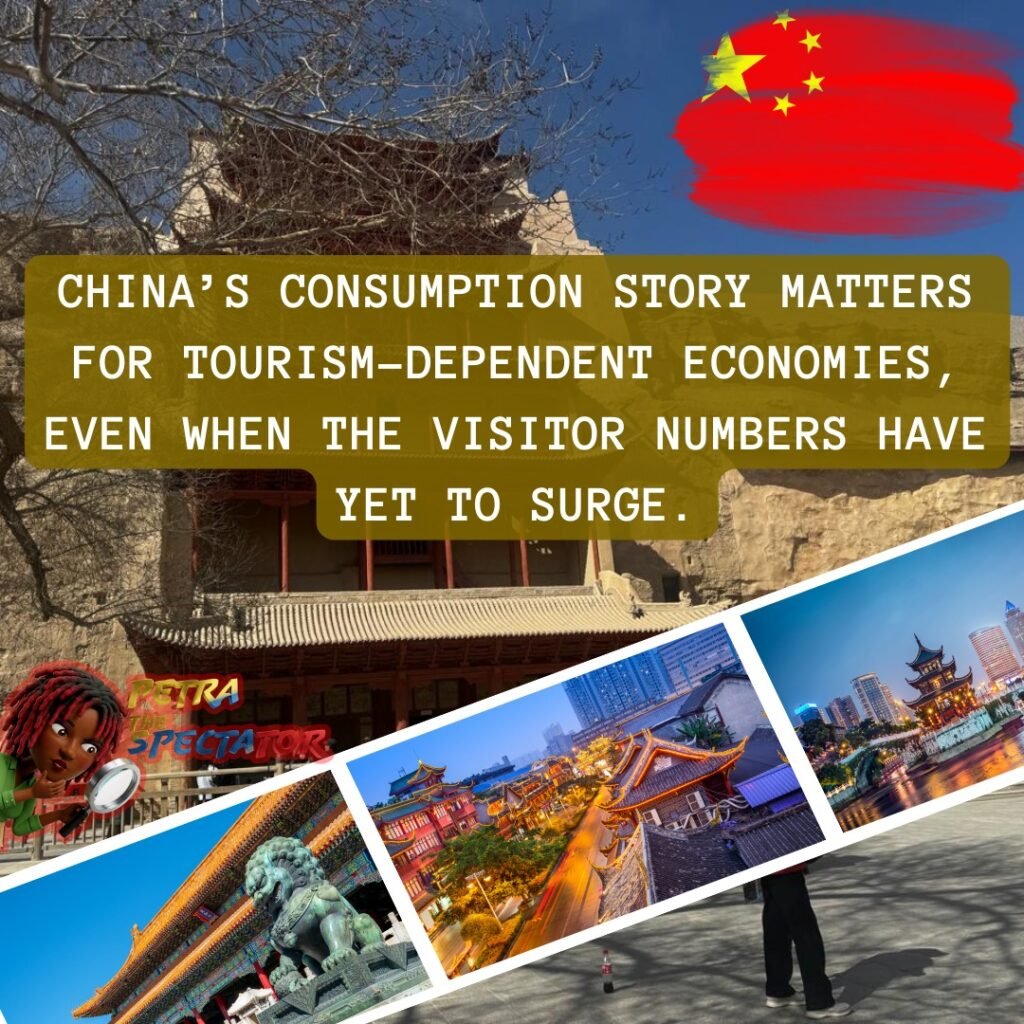
China’s efforts to strengthen domestic consumption and income growth also carry longer-term implications for tourism-dependent economies. Although Chinese visitor flows to the Caribbean remain relatively modest compared with North American markets, improvements in Chinese household confidence typically support long-haul travel demand, aviation partnerships, and higher-end tourism segments over time. This could positively impact the expansion and diversification of the Caribbean tourism market, especially the long-stay luxury segment.
At the same time, China’s industrial upgrading and green transition may reshape demand patterns in renewable energy components, digital infrastructure cooperation, logistics development, and blue economy initiatives. Small states that align early with these emerging sectors may find niche opportunities.
No Caribbean assessment is complete without considering Washington’s evolving posture in the region. Recent U.S. diplomatic and economic signals indicate renewed strategic attention to the Caribbean Basin, alongside heightened sensitivity to China’s infrastructure presence. There is also growing emphasis on transparency, debt sustainability, and security considerations, along with a more active use of targeted economic statecraft and foreign policy leverage in the hemisphere.
For Caribbean governments, the emerging reality is not a binary choice but a more complex balancing act. Chinese engagement is becoming more selective. At the same time, U.S. scrutiny of regional partnerships is intensifying. Both trends occur against a backdrop of tight fiscal space across many small states. Navigating this triangle will require careful economic diplomacy and disciplined project planning.
Conclusion
China’s 2026 Two Sessions is signalling continuity in direction with strategic refinement in domestic emphasis with consumption, innovation, and high-quality growth at the centre. For the Caribbean, the implications are subtle but significant. China is not stepping back from the Global South, but it is becoming more selective and strategic, even as U.S. attention to the region sharpens.
In this evolving landscape, the advantage will likely go to small states that remain pragmatic, disciplined, and clear-eyed about where the next decade of opportunity and constraint will intersect.
How will small island states, such as Antigua and Barbuda, align development objectives in the evolving agenda of major partners and an increasingly competitive geopolitical environment?