
January 2026 will quietly but decisively mark one of the most valuable sports-tourism moments on Antigua and Barbuda’s calendar, as the RORC Transatlantic Race makes its historic Caribbean finish in Antigua.
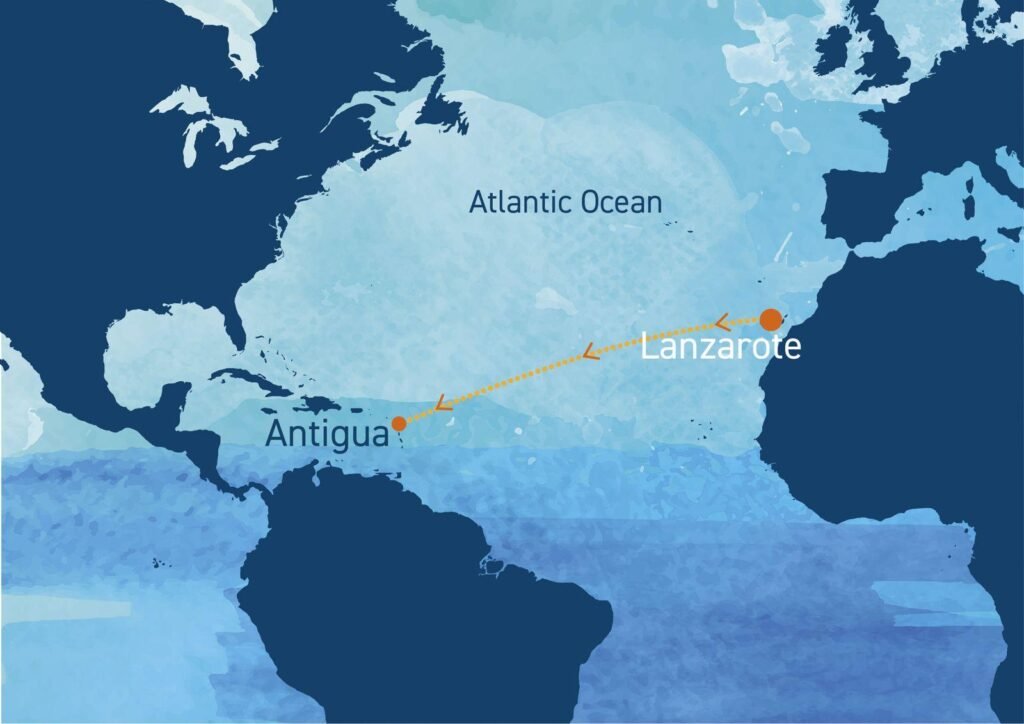
While the race starts in Lanzarote at Calero Marinas in the Canary Islands and unfolds across nearly 3,000 nautical miles of open Atlantic, its economic impact will be felt firmly on land. For Antigua, hosting the finish of a transatlantic offshore race is not simply a sporting honour. It is a high-value tourism intervention that blends elite sport, long-stay visitation, global media exposure, and heritage branding into a single event window.
At its core, the RORC Transatlantic Race delivers a category of visitor that Caribbean destinations actively compete for: high-spend travellers. Owners, technical teams, media partners, and support staff typically arrive well in advance and remain on the island well beyond the finish. Accommodation demand spans hotels, villas, marinas, and short-term rentals, while spending filters into provisioning, marine services, dining, transportation, and local labour.
Unlike fly-in, fly-out sports events, transatlantic racing embeds participants into the destination. Boats require berthing, refit work, security, logistics coordination, and regulatory compliance. Crews need time to rest, test equipment, and integrate with the marina economy before moving on. These are not transient spectators. They are operational visitors whose presence sustains multiple sectors simultaneously.
The Royal Ocean Racing Club’s decision to move the race’s finish to Antigua and Barbuda also strengthens calendar continuity. The January finish dovetails directly into the broader winter yachting season. From a tourism planning perspective, this sequencing matters. It lengthens the average stay, stabilises seasonal employment, and amplifies returns on infrastructure investment.
There is also a branding dividend. Transatlantic finishes generate international stories that no conventional advertising campaign can replicate. Images of exhausted crews entering English Harbour, coverage in specialised sailing media, and organic social media content from elite sailors reinforce Antigua’s positioning as the Caribbean’s premier yachting hub. The island is not merely a host venue; it becomes the emotional endpoint of an Atlantic crossing.
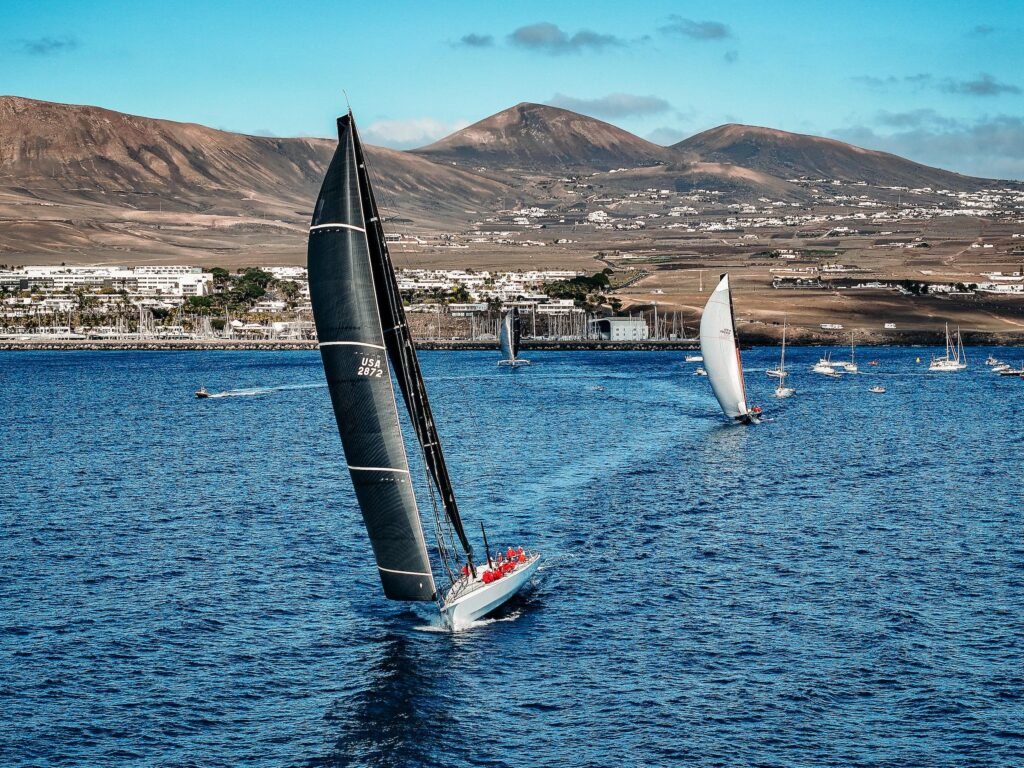
© Sailing Energy
12 January, 2025
This matters in a competitive regional market where sports tourism is increasingly strategic rather than symbolic. Antigua’s value proposition lies in its ability to host technically complex events, drawing on authenticity, maritime heritage, and operational competence. Finishing a transatlantic race at Nelson’s Dockyard does precisely that, linking modern endurance sport to a UNESCO-recognised historic setting.
The economic impact is therefore layered. Direct spending supports accommodations, food and beverage, transportation, and marine services. Indirect benefits flow through employment, supplier contracts, and exposure to destination marketing. Long-term gains accrue through strengthened partnerships with international sailing bodies and reinforced credibility as a serious sports-tourism destination.
As the January 11, 2026, start date approaches, the RORC Transatlantic Race should be viewed not only as a test of human endurance at sea but also as a strategic asset on Antigua and Barbuda’s 2026 tourism ledger. It arrives quietly, delivers deeply, and leaves behind more than trophies. It leaves economic momentum.